Goldman Sachs and Deutsche Bank Harness Agentic AI for Enhanced Trade Surveillance
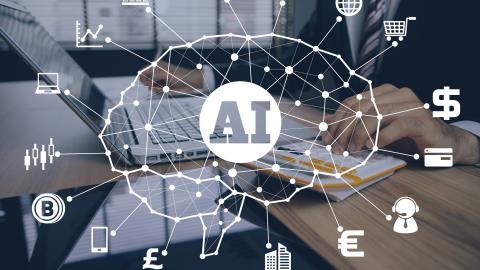
Banks are stepping into innovative territories with the introduction of agentic AI, a sophisticated technology designed to elevate trading surveillance far beyond basic keyword scanning and predefined alerts. This cutting-edge system enables real-time analysis, helping trading desks identify patterns and behaviors that may require closer human examination. As financial institutions increasingly embrace this transformative technology, their commitment to enhancing oversight and compliance becomes ever more prominent.
The Rise of Adaptive Agents in Banking
In the past, large banks relied on automated surveillance systems that functioned primarily through preset rules. Common alerts triggered when a trade surpassed a certain threshold or deviated from known risk profiles. While effective to some degree, these limitations can lead to a plethora of false positives and overlook subtler manipulations.
The modern trading landscape generates an overwhelming amount of data across various asset classes and time zones. As highlighted by Bloomberg, traditional systems often struggle to effectively navigate this complexity. Enter agentic AI—an intuitive system that goes beyond mere static checks, employing advanced algorithms to analyze trading behavior through multiple signals and historical data. This innovative approach aims to identify unusual combinations of actions that could potentially indicate misconduct.
These tools are not designed to replace compliance officers; rather, they act as an essential layer of oversight, surfacing cases for further human exploration and ensuring that every nuance is thoroughly scrutinized.
Deutsche Bank’s Collaboration with Google Cloud
Deutsche Bank is at the forefront of this technological revolution, collaborating with Google Cloud to develop AI agents capable of real-time trading activity monitoring. This system processes vast amounts of order and execution data, pinpointing anomalies almost instantaneously.
This initiative signifies a significant leap for the bank, as they enhance their AI capabilities beyond mere customer interaction into the realm of trading behavior analysis. By identifying complex anomalies—like intricate relationships between trades, timing, and market conditions—these AI agents provide a deeper insight into trading activities. Despite this automation, human compliance teams remain integral, tasked with assessing flagged cases and deciding on necessary actions.
Goldman Sachs’ Strategic Foray into Agentic AI
Similarly, Goldman Sachs is exploring the potential of agentic AI to bolster its surveillance strategies. Recent investments in AI across its trading and risk sectors are now extending into compliance. This tech-savvy institution is keen on utilizing AI agents that can operate semi-independently, recognizing misconduct indicators that may not fit typical patterns but remain significant enough to warrant attention.
For regulators, the allure of early detection is clear, as it can mitigate both market damage and reputational risks. Additionally, these advanced tools alleviate operational pressures on compliance departments that are often inundated with alerts while needing to uphold rigorous oversight standards.
Understanding the Importance of Agentic AI
Agentic AI refers to systems programmed to take purposeful actions rather than merely react to prompts. This enables the software to select relevant data, analyze multiple signals, and escalate findings autonomously, all crucial in a dynamic trading environment. However, it’s crucial to note that while these systems enhance data handling, they do not autonomously make disciplinary decisions. Financial institutions are still bound by strict regulations, maintaining human accountability in the loop.
A Shift Towards Enhanced Compliance
The deployment of advanced generative AI architectures within internal control functions marks a significant shift in compliance strategies. Regulatory bodies in both the United States and Europe are advocating for improved monitoring of market manipulation. While adopting agentic AI isn’t mandatory, it offers a robust means of fulfilling regulatory expectations.
However, embracing AI comes with its challenges. Banks must ensure that their models are transparently explainable and free from bias, capable of undergoing rigorous regulatory scrutiny. Issues concerning model governance, data security, and audit trails must remain top priorities.
Transforming the Compliance Landscape
If successful, agentic surveillance tools could revolutionize the operations of compliance teams. Rather than sifting through a multitude of basic alerts, staff will likely concentrate on evaluating intricately flagged cases identified by AI. This does not diminish the necessity for human judgment; instead, it reorients where that judgment is applied. In an era characterized by rapid data volume increases, the ability to scrutinize patterns in real time is becoming increasingly challenging—making innovative solutions like agentic AI not just an advantage, but a necessity.
As the banking industry continues to evolve, the integration of such transformative technology can foster a more efficient, transparent, and accountable future for trading practices. Embracing this change might very well set new standards in compliance, allowing banks to not only meet regulatory demands but to elevate their operational integrity.
If you’re intrigued by the future of finance and technology, stay connected with us at Malibu Elixir for more insights. Your journey into the sophisticated world of innovation starts here!