Frontline Workers: Exploring GenAI’s Next Frontier
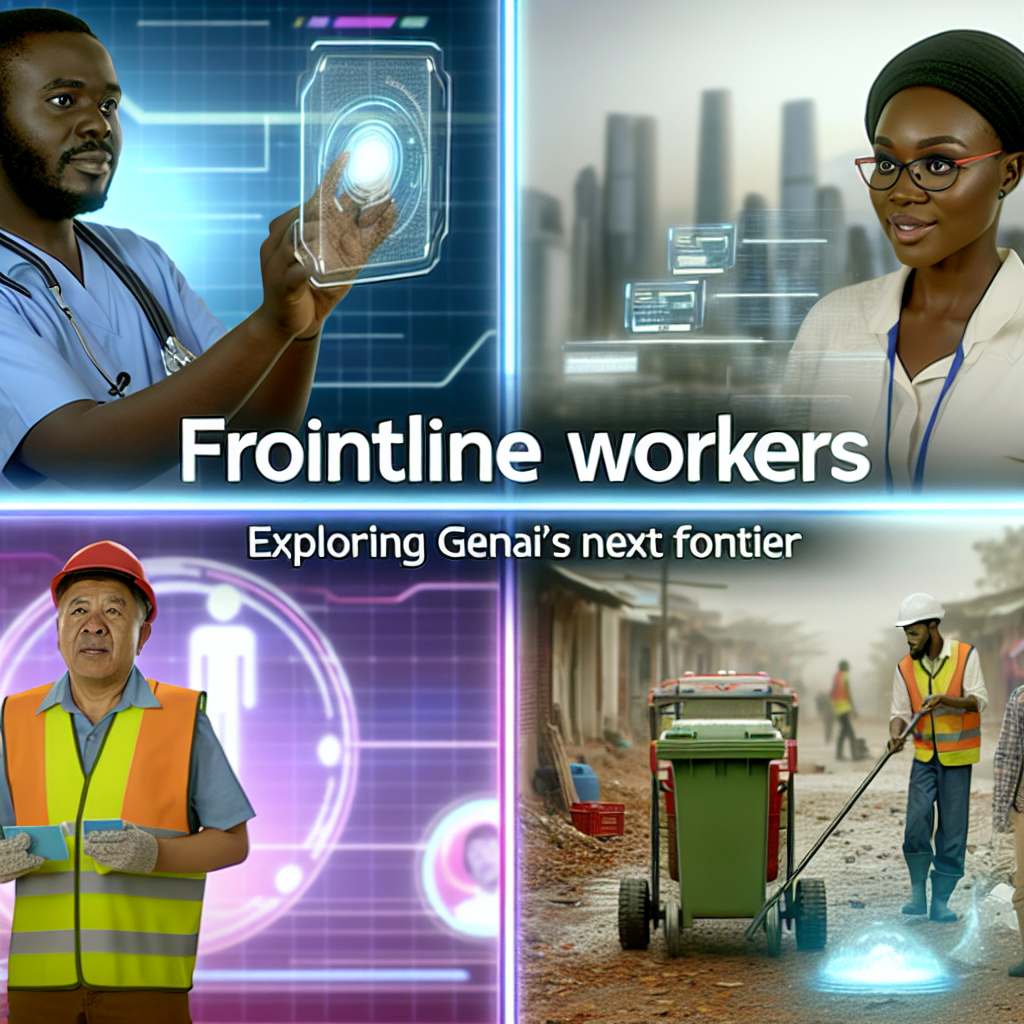
Understanding the Impact of Generative AI on Frontline Workers
Generative AI is transforming the way we work, and its impact extends far beyond traditional knowledge workers. While many associate AI with tech-savvy professionals sitting at computers, it’s time to shift our focus to the frontline workers who are the backbone of various industries. This article explores how generative AI is revolutionizing blue-collar jobs, enhancing operational efficiency, and improving worker experiences.
The Overlooked Impact of Generative AI
Generative AI is often viewed through the lens of knowledge work, though it holds significant potential for frontline roles. These workers—be it in hospitality, retail, or manufacturing—often confront a variety of challenges that AI can address. The integration of AI tools can streamline tasks, reduce errors, and empower workers to focus on their core responsibilities.
Enhancing Operational Efficiency in Hospitality
In the hospitality sector, for instance, AI is being utilized to optimize housekeeping processes. Tools like smart applications allow housekeepers to conduct room inspections efficiently through video and voice recognition. By allowing workers to easily verify cleanliness and inventory standards, managers can expect quicker turnaround times, substantially reducing the time it takes for rooms to be ready for guests.
Real-World Applications
Take, for example, an AI-driven application deployed in hotels that enables housekeepers to inspect rooms through an intuitive interface. Workers capture a brief video of the room after cleaning, ensuring compliance with brand standards. If any details require correction, immediate feedback helps them make real-time adjustments. This not only improves the quality of service but also fosters job satisfaction among frontline workers who want to excel in their roles.
Overcoming Resistance to Technology
Despite the proven benefits, some frontline workers may resist adopting generative AI technologies. However, initial feedback from users often reveals a desire for tools that make their jobs easier. Many employees find that technology can prevent the hassle of post-task corrections, allowing them to focus on providing excellent service.
The Broader Implications for Frontline Workers
Generative AI’s potential effects aren’t limited to hospitality. Industries such as retail and logistics can also benefit from similar applications, where AI tools assist workers in inventory management, customer interactions, and more. The key lies in collecting data to understand workflows and identifying areas where AI can alleviate pressure on employees.
The Future of Work with AI
As we look ahead, the focus should not be on replacing frontline workers with robots but rather on empowering them with better tools. The ongoing labor shortage highlights the need for innovative solutions that enhance workforce capabilities. A combination of generative AI, data analytics, and practical applications will pave the way for a more efficient future, benefiting both the workforce and businesses alike.
Conclusion
Generative AI isn’t merely a trend for tech aficionados; it’s a pivotal technology that is transforming frontline roles across various industries. By leveraging AI, organizations can enhance their operational efficiency and improve employee satisfaction, leading to a win-win scenario. As this technology continues to evolve, embracing its potential will be essential for staying competitive in today’s fast-paced market.
Engage with us in the comments—how do you see generative AI impacting your industry? For more insights into the world of AI, consider exploring resources like McKinsey on AI and Stanford’s AI Research.