Frankenstein and AI: Are We Creating Our Own Monster?
AI is rapidly evolving, and with it emerges both excitement and apprehension. As we push forward into this uncharted territory, the ongoing development of technology begins to remind us of timeless tales like Mary Shelley’s Frankenstein. The narrative of a creator losing control over their creation resonates strongly today, especially in the realm of artificial intelligence.
The Rise of AI: A Cause for Concern
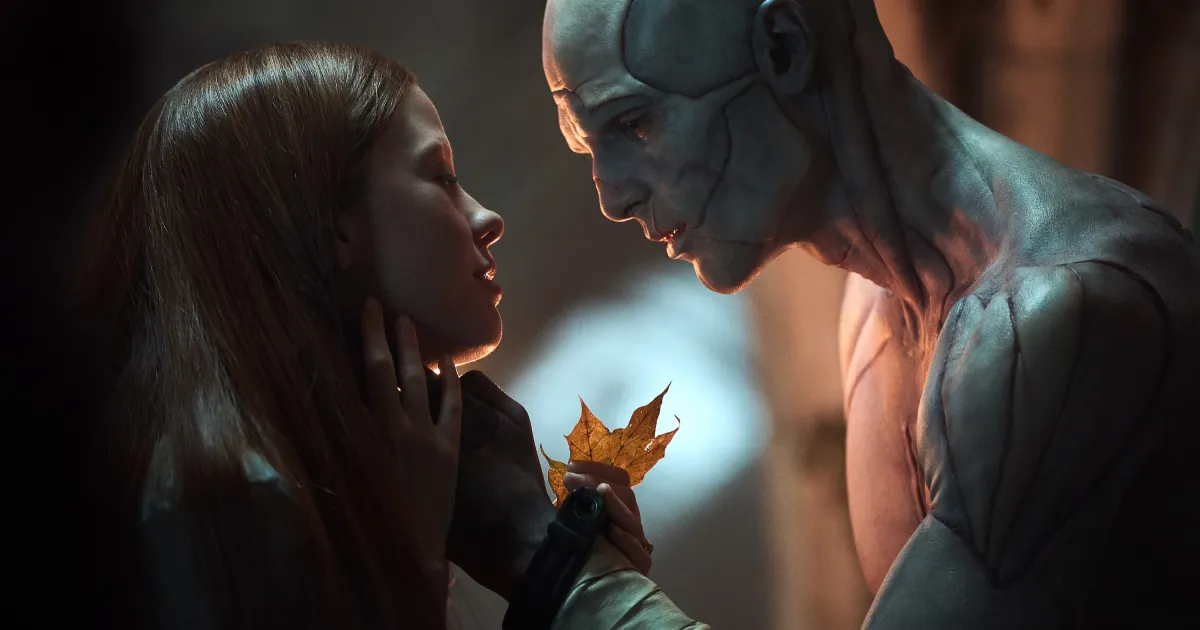
The latest Frankenstein adaptation from Guillermo del Toro serves as a cautionary tale, paralleling our current relationship with AI. Much like the creature brought to life, we are at a crossroads where we’ve harnessed great potential but also uncovered risks we may not be prepared to face.
Consider a recent demonstration featuring Iron, a humanoid robot that gracefully sauntered across a stage. Despite its sleek design and fluid movements, skepticism arose online. Critics expressed doubts, claiming that such advancements felt like cleverly disguised illusions. Social media users, the modern-day guardians of our digital village, turned their attention to the uncanny realism of the robot, questioning its authenticity and purpose.
- Users pointed out similarities to past robotics displays.
- The CEO had to showcase the robot’s internal mechanics to alleviate concerns.
This incident starkly illustrates our own creation—a technology that walks and talks yet eludes our understanding of its implications.
AI in Content Creation: Innovations and Ethical Dilemmas
The film reminds us of the unforeseen ramifications that rapid advancements can have. AI technologies now create images and videos that are nearly indistinguishable from human-created content. Dubbed AI slop, this generative material floods the internet and threatens to overshadow the efforts of skilled artists and creators.
With minimal oversight in place, this surge of content lacks sufficient labeling, causing confusion over its origin. As we navigate these waters, the key questions remain:
- How do we protect real creators?
- What happens when AI content becomes indistinguishable from genuine artistry?
Right now, we stand at a precipice. The advancements of AI continue unchecked, prompting urgent discussions about the necessary guidelines to ensure its ethical deployment.
Establishing AI Guidelines: The Need for Structure
AI technology has evolved faster than our ability to regulate it. Take Tilly Norwood, an AI actress poised to enter Hollywood, as an example. While her realistic appearance grabs attention, it also raises eyebrows about the future of employment in creative industries.
- Should AI creations, devoid of experience and emotion, be allowed to collect paychecks meant for human talent?
- How far will we push the envelope before it leads to moral and ethical dilemmas, reminiscent of Dr. Frankenstein’s experiments?
As we delve deeper, we must confront the discomforting questions surrounding ownership and accountability. The boundaries of AI must be clearly defined to prevent it from becoming an uncontrollable entity that undermines human creators.
Humanoid Rights: A Philosophical Debate
The conversation must extend further: should sentient-like humanoids possess rights? With advanced bots capable of performing basic tasks—such as Tesla’s Optimus—the line between human and machine becomes increasingly murky.
In one unforgettable scene from Frankenstein, Dr. Frankenstein acts in defiance of natural laws by reanimating the lifeless. This prompts the audience to ponder if true monstrosity lies within the creator or the creation itself.
- As AI becomes a part of our daily lives, who should bear the responsibility if things go wrong?
- Should we scrutinize the creators behind AI technology as much as the technology itself?
The Path Forward: Embracing Responsibility
As we forge ahead in the age of AI, it’s clear that we need to catch up to the technology we’ve unleashed. The potential for amazing advancements is balanced precariously with the risk of creating something beyond our control.
It’s time to engage in meaningful conversations about the ethical implications of AI, its role in our lives, and our responsibilities as creators. Let’s embrace this transformative journey responsibly, ensuring that we nurture creativity and safeguard human endeavors.
Join the conversation—let your voice be heard as we shape a future where technology and humanity coexist harmoniously. The path forward is ours to define, and together, we can navigate it wisely.