Exploring Potential Gains: David Sacks’ Profiteering Possibilities from His Role in the Trump Administration
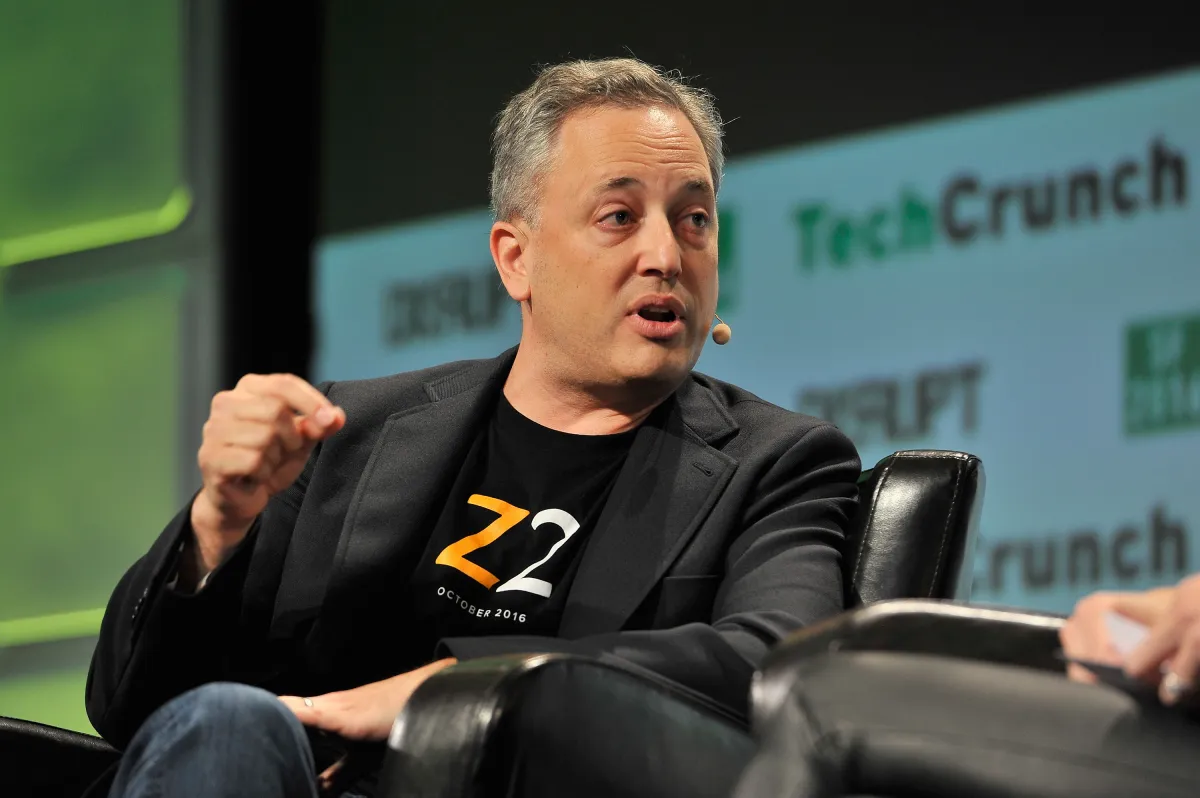
David Sacks’ role as President Donald Trump’s artificial intelligence and crypto czar has stirred significant conversation, particularly regarding its implications for his investments and those of his associates. A recent report from The New York Times suggests potential benefits for Sacks stemming from his political position, raising questions about ethics and transparency that merit closer examination.
Sacks responded vehemently to the article, sharing on X that the extensive reporting process had thoroughly debunked the accusations against him. He labeled the piece a “nothing burger,” asserting that a careful reading reveals a collection of anecdotes lacking substantial evidence to back the overarching claims.
A History of Allegations
Critics, including Massachusetts Senator Elizabeth Warren, have pointed out perceived conflicts of interest in Sacks’ dual roles. Earlier this year, Warren highlighted that Sacks leads a firm with significant crypto investments while also shaping national crypto policy—deeming this an “explicit conflict of interest” that should generally fall under federal prohibitions.
However, the NYT report, titled “Silicon Valley’s Man in the White House Is Benefiting Himself and His Friends,” provides a broader analysis. The investigation uncovered that among Sacks’ 708 tech investments, a striking 449 are within the AI sector, potentially standing to gain from policies Sacks supports.
Oversight and Ethics
Although he has obtained two White House ethics waivers indicating he would divest most of his crypto and AI assets, the specifics surrounding his remaining investments remain murky. The NYT noted that his public ethics disclosures do not clarify the ongoing value of these assets or details about their divestment timing.
Kathleen Clark, a law professor at Washington University specializing in government ethics, weighed in on these findings last July, labeling the situation as “graft.”
Adding to the scrutiny, the NYT reported that Sacks’ filings categorize numerous investments as hardware or software, rather than AI, despite these companies marketing themselves as AI-focused.
Entangled Interests
The intertwining of Sacks’ interests is further illustrated by the White House summit in July, where Trump unveiled his AI roadmap. Reports indicated that to avoid a monopoly on media coverage, White House chief of staff Susie Wiles intervened to ensure that Sacks’ All-In podcast did not dominate the event. Consequently, All-In sought sponsorships that cost $1 million for access to exclusive events.
Additionally, Sacks reportedly developed a close relationship with Nvidia CEO Jensen Huang this spring, influencing the easing of restrictions on global chip sales, including to China.
Divided Opinions
Former Trump adviser and right-wing media figure Steve Bannon highlighted Sacks as an example of an administration where “the tech bros are out of control.” In contrast, Sacks’ spokesperson, Jessica Hoffman, firmly rejected the conflict of interest narrative, stating that Sacks has fully adhered to the regulations imposed on special government employees.
White House spokesperson Liz Huston reaffirmed that Sacks has been an invaluable asset in advancing Trump’s agenda to bolster American technological leadership.
In his rebuttal to the NYT, Sacks included a letter from Clare Locke, a law firm he retained, asserting that the reporters operated under explicit directions to uncover conflicts of interest between Sacks’ governmental duties and his private sector background. The letter also clarified specifics regarding the AI summit, emphasizing it was a non-profit event and that All-In incurred losses from hosting.
Conclusion
The ongoing dialogue surrounding David Sacks highlights the complex interplay between politics and technology investment, provoking vital discussions on ethics and accountability in government roles. As the situation evolves, one thing remains clear: the lines between public service and private interests are often blurred, necessitating continued scrutiny and transparency.
As we reflect on these developments, it’s essential for each of us to stay informed about the intricate connections between our leaders and their financial engagements. By doing so, we empower ourselves to hold those in positions of power accountable. Stay engaged, and let’s ensure our voices contribute to fostering a transparent and ethical landscape in both politics and business.