Exploring Huawei’s Innovative Approach to Empowering Autonomous AI Systems
In the sophisticated realm of industrial technology, where innovation meets efficiency, a noteworthy development has emerged from Conch Group‘s cement plant. Here, an advanced AI system, leveraging the robust Huawei infrastructure, now predicts the strength of clinker with an impressive 90% accuracy. This agentic AI not only forecasts results but also optimizes calcination parameters, achieving a 1% reduction in coal consumption—a feat that once relied heavily on expert human insights accumulated over time.
The Evolution of AI Systems
This evolution illustrates Huawei’s dedication to pioneering agentic AI systems that transcend simple command-response frameworks. Instead, these platforms exhibit capabilities for autonomous planning, decision-making, and execution.
A Comprehensive Strategy
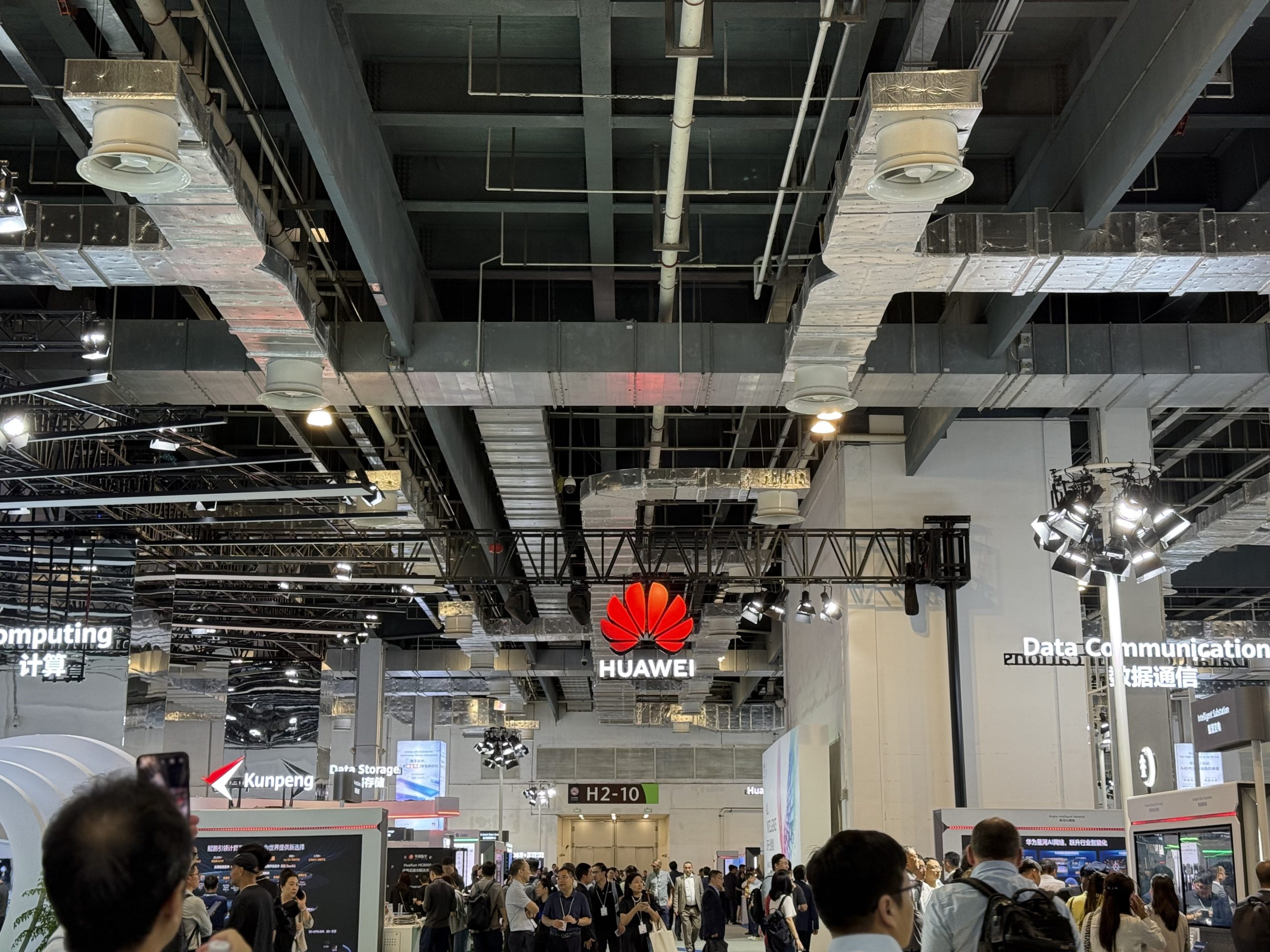
At the recent Huawei Cloud AI Summit in Shanghai, Zhang Yuxin, CTO of Huawei Cloud, revealed their holistic strategy, which involves:
- AI Infrastructure: A solid foundation tailored for advanced AI functions.
- Foundation Models: Core models that serve as the basis for specialized applications.
- Specialized Tools and Platforms: Resources designed for distinct industries.
With over 1,000 leaders in attendance from various sectors, discussions ranged from finance to logistics, highlighting practical applications that illustrate the transformative power of AI.
Autonomous Operations vs. Traditional AI
The divergence between traditional AI and agentic AI systems is critical. Traditional systems respond to direct commands, while agentic systems operate independently, significantly altering their role in business functions. According to Zhang, this represents "a major shift in applications and compute," as these systems adapt and make decisions in real-time, redefining how enterprises allocate resources.
Addressing Infrastructure Challenges
As agentic AI systems demand more computational power, traditional cloud models struggle to keep up. Huawei Cloud’s solution involves the innovative CloudMatrix384 supernodes, connected through a high-speed MatrixLink network. This hybrid compute architecture enhances performance, especially for Mixture of Experts (MoE) models, where it accelerates processing speeds significantly.
The integration of memory-centric AI-Native Storage further optimizes efficiency for AI tasks. ModelBest, a leader in general-purpose AI, showcased how their MiniCPM series leverages Huawei’s infrastructure, achieving notable improvements in both training energy efficiency and performance metrics.
Transitioning to Industry-Specific Applications
Adapting foundational models to meet specific industry demands is no small feat. Huawei Cloud has crafted a targeted approach, consisting of:
- Comprehensive Data Pipelines: Managing everything from data collection to analysis.
- Incremental Training Workflows: Enhancing model performance through ongoing adjustments.
- Smart Evaluation Platforms: Ensuring alignment with industry benchmarks.
For instance, Shaanxi Cultural Industry Investment Group partnered with Huawei to enhance cultural tourism through AI, creating a “trusted national data space for cultural tourism.” This collaboration led to innovative applications, such as intelligent systems for asset verification and creative development.
The Rise of Enterprise-Grade Platforms
Distinguishing between consumer-facing AI agents and enterprise-grade systems is crucial. The latter must integrate seamlessly into existing workflows and manage complex scenarios. Huawei Cloud’s Versatile platform offers the necessary infrastructure for businesses, streamlining agent development through various phases.
A solid example is Conch Group’s cement manufacturing initiative. By utilizing Huawei’s technologies, they developed an AI system that predicts clinker strength with remarkable precision, guiding operational enhancements and decision-making. The deployment of these AI agents is not just a technological upgrade; it represents a cultural shift towards data-driven processes in the industry.
Future Prospects for Autonomous AI
The advancements presented at Huawei’s summit reflect a growing trend toward agentic AI systems, increasingly capable of functioning autonomously within established parameters. This transition requires considerable investments in infrastructure and data engineering, as well as thoughtful integration with current business processes.
As these systems evolve, the focus shifts from merely demonstrating capabilities to addressing integration hurdles and achieving measurable outcomes. The real value emerges when AI addresses specific operational challenges, as seen in the case studies from sectors such as manufacturing and tourism.
Embrace this journey of innovation. As the world of autonomous AI continues to grow, consider how your operations could benefit from these transformative technologies. It’s a path worth exploring—one that could elevate your business to new heights of efficiency and success.