Experts Alarmed by Rising AI Usage Among Children: Key Insights and Concerns
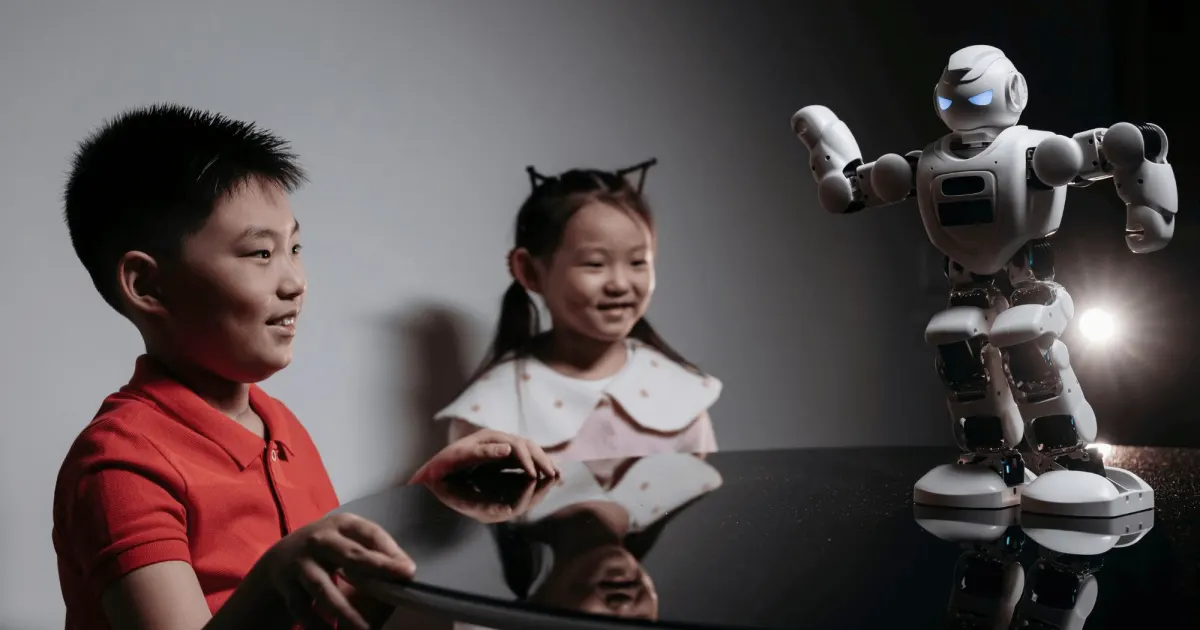
According to recent findings, one in ten parents are reporting that even children as young as five years old are interacting with AI tools like ChatGPT and Gemini. As technology becomes increasingly woven into the fabric of our daily lives, many parents are grappling with an evolving challenge: how to safeguard their children’s screen time, especially when it comes to engaging with AI chatbots.
The Rising Presence of AI in Children’s Lives
A Pew Research Center survey reveals a startling shift in the digital landscape for children. While children have been immersed in screens—whether through TV shows, smartphones, or streaming services—there’s now a marked rise in the use of AI technologies.
-
Voice Assistants: Approximately 40% of parents with children aged twelve or younger report their kids are using voice assistants like Alexa or Siri.
-
Early Exposure to AI: Roughly 10% of parents acknowledge that their children aged five to twelve are utilizing AI platforms such as ChatGPT and Google’s Gemini.
- Teen Engagement: About 26% of U.S. teens admit to using ChatGPT to assist with schoolwork, which raises potential concerns. A study from Microsoft and Carnegie Mellon University found that reliance on AI tools could adversely affect critical thinking skills.
Image Credit: Nadeem Sarwar / Digital Trends
The Implications of AI Usage
Experts are voicing concerns about the consequences of early, unrestricted AI access on children’s cognitive and emotional development. Although AI can aid in problem-solving, easy answers may diminish children’s innate curiosity and willingness to explore independently.
"What’s worrying is the over-reliance on AI," said a representative from Pew Research. A survey indicated that a quarter of public K-12 teachers believe that using AI tools in education can be counterproductive. Here are some of the key concerns:
-
Misinformation: AI chatbots can unintentionally generate misleading information.
-
Diminished Skills: Children might lean on AI for reasoning and writing tasks, which could hinder the development of their analytical abilities.
- Emotional Growth: Overuse of AI companions may stunt emotional intelligence and social skills, making it harder for kids to forge meaningful relationships.

Image Credit: Nadeem Sarwar / Digital Trends
Why This Matters
The pace at which AI is infiltrating daily life—from YouTube to educational apps—is overwhelming for many parents. With technology advancing so swiftly, distinguishing between healthy exploration and unhealthy dependency is becoming increasingly difficult.
-
Understanding AI’s Role: Parents must grasp how children engage with AI beyond just homework assistance and consider utilizing parental controls available for these platforms.
-
Balancing Education and AI Literacy: Educators face the challenge of finding a middle ground where AI literacy coexists with the cultivation of critical thinking.
- Setting Boundaries: As children grow up in an age dominated by artificial intelligence, it’s crucial for adults to establish guidelines that prevent technology from overshadowing human curiosity and creativity.
Final Thoughts
Ultimately, while AI can be a valuable tool, it’s essential to navigate its use thoughtfully within the family. As we embrace these advancements, let’s foster an environment where children feel empowered to explore, learn, and develop skills independently, ensuring technology enriches their lives rather than defines them.
Let’s take charge of our children’s engagement with technology, guiding them towards a healthy balance that nurtures both their curiosity and creativity. Ready to embrace this journey together?