Enhancing Customer Service ROI Through Physical AI Adoption
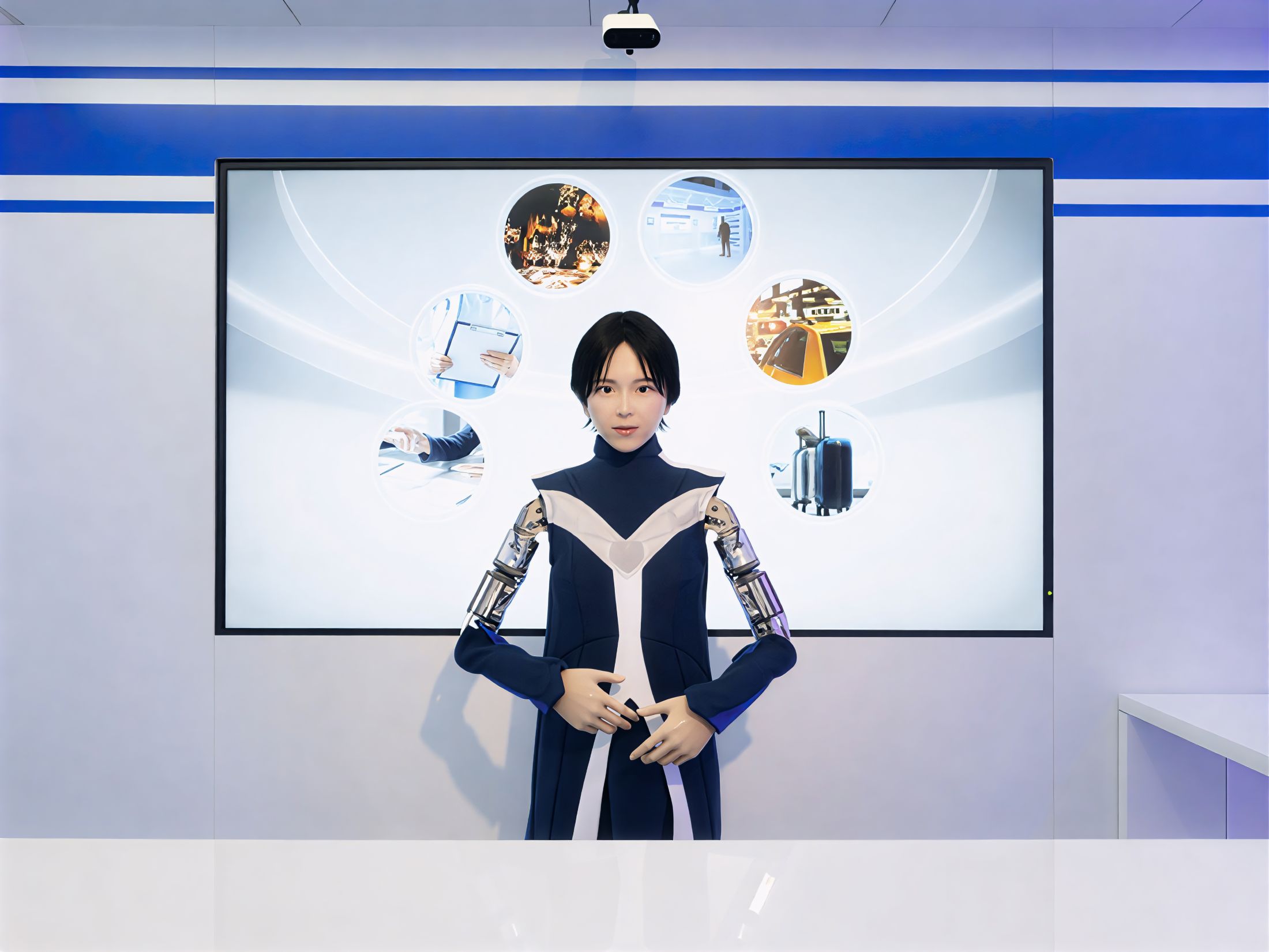
The fusion of artificial intelligence with frontline customer service is no longer just a leap into the future; it’s a current trend reshaping industries. For businesses striving to elevate their customer experiences, the integration of physical AI offers a powerful advantage. As labor pools continue to dwindle, the old methods of merely automating routine tasks fall short. Enter the innovative collaboration between KDDI and AVITA, a partnership that showcases how businesses can bridge significant operational gaps with the deployment of humanoid robots.
The Need for Adaptable Solutions
While traditional robots perform well in repetitive tasks, they often falter when faced with unexpected challenges, such as equipment failures. In customer-facing roles, the nuances of nonverbal communication—like synchronized nodding, natural eye contact, and warm facial expressions—are vital. The introduction of humanoid robots trained to engage in these human-like interactions may revolutionize the customer service landscape.
By harnessing AVITA’s expertise in avatar creation and KDDI’s robust communication infrastructure, these two organizations are developing domestically crafted humanoids capable of navigating dynamic commercial environments seamlessly.
Blending Hardware with Advanced Data Infrastructure
Successful integration of humanoids into real-world commercial spaces necessitates a sophisticated, low-latency network capable of transmitting visual data and control commands instantly. KDDI plays a pivotal role in supplying this essential operational backbone, enabling effective remote management along with heavy-duty cloud-based data processing. The wealth of visual and motion data gathered during customer interactions will continuously refine the AI’s learning, enhancing the humanoid’s autonomy and behaviors over time.
To meet the demanding computational needs of this endeavor, the companies are set to utilize GPUs at the Osaka Sakai Data Center, scheduled to launch operations in January 2026. They’re also investigating how to incorporate an on-premises service for Google’s Gemini high-performance generative AI model. This strategic alignment guarantees that data processing remains both secure and adept at handling intricate dialog requirements.
The humanoid design itself marks a shift away from traditional mechanical structures. Based on a concept by Hiroshi Ishiguro, these robots feature a compact skeletal form that mimics a typical Japanese physique. Their silicone skin and specialized mechanisms facilitate warm, engaging expressions that align seamlessly with spoken dialogue. Cameras embedded in their design track moving objects, enabling them to create genuine eye contact while maintaining smooth, fluid motion through subtle pneumatic actions. This innovative design directly targets the past challenges of deploying automation in customer-facing roles where empathy and comfort are paramount.
Preparing for the Commercial Adoption of Physical AI
This initiative builds on previous collaborations between KDDI and AVITA, which pioneered a "next-generation remote customer service platform" that utilized digital avatars for assisting customers at retail locations, such as Lawson and au Style shops. Transitioning from language-driven avatars to physical units capable of free movement is a logical step for companies aiming to expand their customer service capabilities. The partners plan to initiate trials in real commercial environments by Autumn 2026, including potential deployments at popular customer touchpoints.
Adopting physical AI also necessitates environments designed for sustained, high-volume data flows. As visual and motion data takes center stage in machine learning models, frameworks governing customer data usage in these physical settings must evolve accordingly.
Organizations grappling with workforce shortages should take the time to identify existing bottlenecks where empathetic engagement is crucial. Establishing robust, high-speed network foundations today, along with piloting digital AI avatar programs, will equip businesses for the future transition to humanoid robots as the technology continues to advance.
Embracing the future of customer service through the integration of physical AI is an exhilarating journey, filled with potential for enhancing engagement and fostering deeper connections. Take the leap today—explore how this technology can elevate your business to new heights and ensure a captivating experience for every customer!