Emerging Burnout: Are AI Enthusiasts Facing the First Warning Signs?
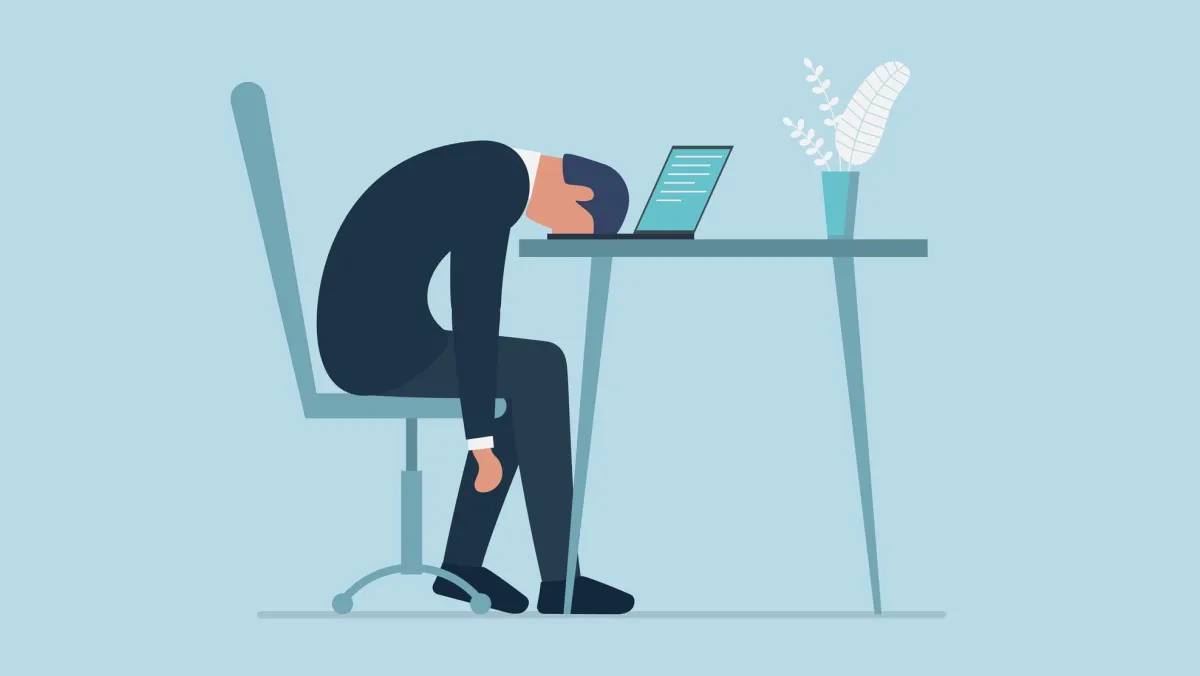
The allure of artificial intelligence in the modern workplace transcends the fear of job loss; it promises a transformative reprieve from our daily grind. In an era where productivity and efficiency reign supreme, the idea that AI could be our ally, enhancing our capabilities rather than replacing us, has captured the imagination of many. But as we delve deeper into this narrative, we must ask ourselves: are we truly reaping the benefits, or are we merely trading one burden for another?
The Promised Efficiency
For the past few years, the tech industry has fueled the belief that AI won’t just alter our work lives; it will revolutionize them. Many professionals simply see AI as a means to work smarter. Roles across various fields—be it law, consulting, or coding—are poised to become more efficient. However, the reality may not be quite so rosy.
The Disturbing Findings
A recent study from Harvard Business Review reveals a startling contradiction to this optimistic outlook. Instead of a productivity boom, there’s a rising trend of employee burnout. This investigation, conducted by UC Berkeley researchers, exposed the unintended consequences of embracing AI within a tech company of 200 employees. The findings suggested that the introduction of AI tools led to an unexpected outcome: rather than reducing workload, employees found themselves doing even more.
- Participants did not experience pressure to meet increased targets.
- Yet, the availability of AI made tasks seem easily achievable, leading to an unintentional expansion of responsibilities.
- Work hours began encroaching on personal time, with tasks spilling into lunch breaks and evenings.
The Reality Check
A poignant observation from one engineer captures this paradox: "You might think you can be more productive with AI and therefore work less. But instead, you just end up working the same or even more."
On platforms like Hacker News, similar sentiments echoed. One user noted how, since integrating AI into their workflow, expectations ballooned while productivity gains were marginal, indicating a troubling trend of longer hours for minimal increase in output.
Questioning the Gains
The crux of the conversation around AI’s impact on work has consistently revolved around a critical question: Are the purported gains legitimate? However, a deeper inquiry is necessary: What happens when these gains materialize?
Research indicates that experienced developers utilizing AI tools took an astonishing 19% longer on tasks, even while believing they were 20% faster. Meanwhile, findings from the National Bureau of Economic Research suggested modest productivity improvements of merely 3%, with no significant enhancements in earnings or hours worked.
These studies challenge the assumption that AI will simply make work easier or more rewarding. Instead, they illustrate a more sobering reality.
The Cycle of Burnout
This new research reinforces the notion that AI can indeed augment employee capabilities but also reveals a troubling trajectory. According to the findings, the augmentation brought forth by AI leads to increased fatigue and burnout, as organizational expectations grow ever higher.
The industry’s assumption that fostering greater output would be the solution may be the catalyst for an entirely new set of challenges.
Conclusion
Embracing AI in the workplace comes with both promise and peril. While it can enhance our abilities, it’s essential to recognize the potential pitfalls that accompany increased productivity. As we integrate these technologies into our professional lives, a balanced approach becomes imperative.
For a more in-depth understanding of these crucial findings, I encourage you to explore the full research here.
Take a moment to reflect on your own experiences with AI in your work life. Are you leveraging it to your benefit, or are you finding yourself overwhelmed? Remember, it’s not just about working harder—it’s about working smarter, ensuring that technology empowers rather than encumbers us.