Elon Musk’s xAI Launches Solar Farm Project Next to Colossus Data Center

Artificial intelligence is rapidly reshaping our world, and few figures are as synonymous with this evolution as Elon Musk. Recently, xAI, Musk’s innovative startup, unveiled plans to develop a new solar farm adjacent to its Colossus data center in Memphis, a facility touted as one of the largest for AI model training globally. This exciting venture promises to boost renewable energy efforts while raising pressing questions about environmental accountability.
Solar Farm Development
The proposed solar farm, spanning 88 acres, will be strategically positioned to the west and south of the existing data center. Notably, a 136-acre vacant lot, also owned by the developer of the Colossus site, will border this new initiative. Expectations suggest that the solar farm could generate approximately 30 megawatts of electricity, which, while significant, would only cover about 10% of the data center’s estimated energy needs.
Environmental Concerns
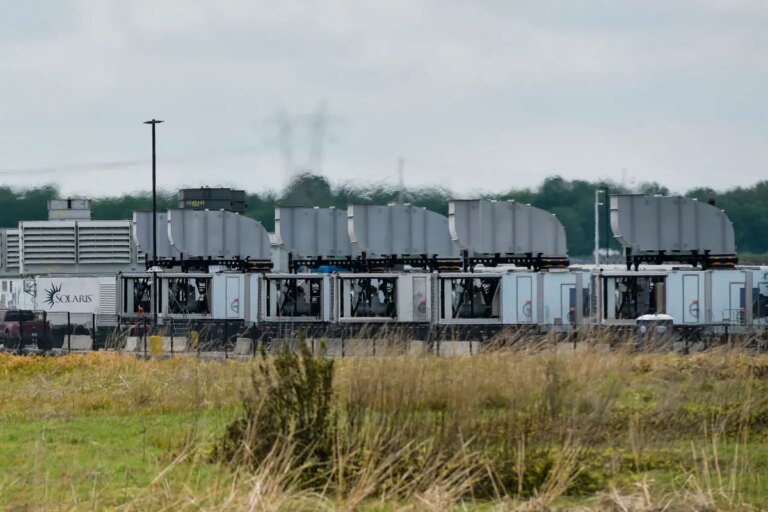
Despite the green ambition of the solar project, xAI faces scrutiny regarding its current operations. The Southern Environmental Law Center (SELC) has reported that the company operates over 400 megawatts of natural gas turbines without proper permits. This situation raises alarms given the potential environmental impact, as nitrogen oxide emissions from these turbines can worsen air quality and contribute to health problems, particularly in nearby communities like Boxtown.
Research from the University of Tennessee, Knoxville, indicates that since the data center’s operations began, nitrogen dioxide levels in surrounding areas have surged by 79%. Residents have experienced a troubling rise in asthma attacks and other respiratory issues, drawing criticism from community activists advocating for cleaner practices.
Future Energy Solutions
While xAI has acknowledged the necessity of the gas turbines, local officials have granted the company a permit to operate 15 turbines until January 2027. In a bid to increase sustainable power, the company announced in September plans for a 100-megawatt solar farm, equipped with grid-scale batteries designed to provide a continuous electricity supply.
The financial backing for this expansive solar project is impressive. xAI’s partner, Seven States Power Corporation, secured a hefty $439 million from the U.S. Department of Agriculture. This generous funding, which includes a significant $414 million interest-free loan, underscores the federal government’s commitment to expanding clean energy initiatives, even amidst a climate where many similar projects have faced cancellations.
Broader Implications
As xAI continues to expand its energy sources, the addition of gas turbines in Mississippi for its Colossus 2 data center involves further complexities. Currently, 59 turbines are operational at this site, with 18 classified as temporary, meaning their emissions aren’t closely monitored by regulators.
The intricate balance between innovation and environmental responsibility remains a focal point in discussions surrounding xAI. As the company steers towards a more sustainable future with its solar initiative, the broader implications of its operational choices will undoubtedly continue to spark debate.
Creating a greener world alongside groundbreaking technology is a formidable challenge, but as we witness Musk’s ventures unfold, the outcome will be pivotal for both the environment and the future of AI development. Let’s stay engaged and hopeful that the advancements made will lead us toward a more environmentally conscious technology landscape. Together, we can advocate for sustainable practices that benefit all communities.