Disney vs. Midjourney: Will Hollywood Ditch AI?
Understanding the Copyright Lawsuit Against MidJourney
Artificial intelligence has revolutionized various industries, but it now faces significant legal challenges, particularly regarding copyright infringement. One of the most notable cases involves Disney and Universal Studios suing MidJourney, a prominent AI image generation company. This legal battle raises questions about the intersection of AI technology and intellectual property rights, posing a critical issue for users and creators alike.
The Lawsuit Details
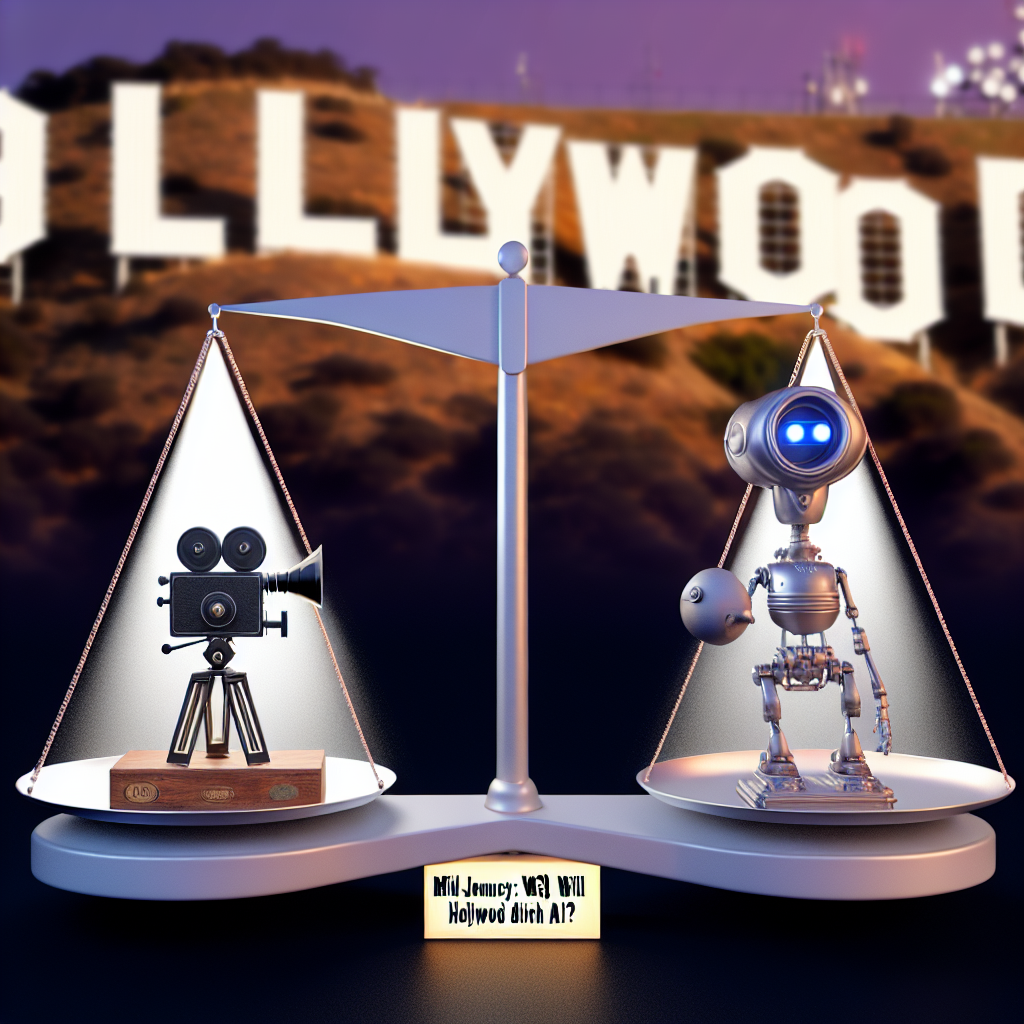
Disney and Universal have described MidJourney as a "bottomless pit of plagiarism," accusing the platform of generating copyrighted characters and content without permission. The implications of this lawsuit could be profound, not just for MidJourney, but for the broader AI landscape. With many AI tools relying on existing copyrighted works for training, this case represents a crucial moment in determining how copyright law will adapt to technological advancements.
What MidJourney Is Accused Of
The lawsuit’s key allegations highlight several crucial points:
-
Direct Generation of Copyrighted Characters: MidJourney’s AI can produce images that closely resemble iconic figures like Darth Vader and Shrek, even when not directly prompted. This raises serious concerns about the potential for copyright infringement.
-
Unauthorized Data Training: The lawsuit claims that MidJourney has admitted to using vast quantities of copyrighted material without seeking consent from original content creators. This practice could be devastating for creators who rely on their intellectual property for revenue.
-
Infringement Without Specific Prompts: Interestingly, the AI has been reported to generate copyrighted content even from generic prompts, complicating the legal landscape further.
- Willful Disregard of Copyright Protections: The studios allege that MidJourney ignored cease and desist letters, continuing to operate without implementing copyright protections.
The AI’s Defense
MidJourney claims that its outputs are transformative and fall under fair use, arguing that copyright law is outdated in the context of AI technology. This stance sparks a broader debate about the future of copyright in the age of artificial intelligence.
Implications for Users
One of the most significant takeaways from this lawsuit is the potential risk for users. MidJourney’s terms of service have shifted responsibility onto users, stating that if any copyright issues arise, the users themselves would be responsible. This raises questions about the liability of individual users who might unknowingly create infringing content with AI tools.
The Bigger Picture
This lawsuit against MidJourney may be one of many as AI-generated content becomes more prevalent. The outcome could set a precedent that affects numerous AI tools and their users in the future. If Disney and Universal succeed, it may pave the way for other studios to follow suit, targeting smaller AI companies that operate in the same space.
Conclusion
As AI continues to evolve, so too will the legal frameworks surrounding it. The case between Disney, Universal, and MidJourney underscores the urgent need for clarity and reform in copyright law to better address the complexities introduced by AI technologies. With the potential for significant consequences on the horizon, stakeholders in the AI landscape—developers, users, and content creators—should stay informed and prepared for the changes ahead.
For further insights into the intersection of copyright law and AI technology, consider reading about the implications of the U.S. Copyright Office guidelines on AI-generated works and the ongoing challenges faced by AI developers in navigating existing copyright frameworks.
Stay tuned for updates and insights as this situation develops, and remember to regularly review the terms of service of any AI tools you utilize to protect yourself from potential legal liabilities.