Critics Slam Darren Aronofsky’s AI-Generated Series Amidst Online Controversy
What this AI-made series means for your future streaming picks
In a world captivated by innovation, the intersection of artificial intelligence and art often sparks debate and curiosity. The ambitious series On This Day… 1776, helmed by acclaimed filmmaker Darren Aronofsky, aimed to reshape our understanding of storytelling through AI. Unfortunately, what was anticipated as a groundbreaking narrative has faced a wave of scrutiny, revealing the complexities of technology’s role in creative endeavors.
The Ambitious Release
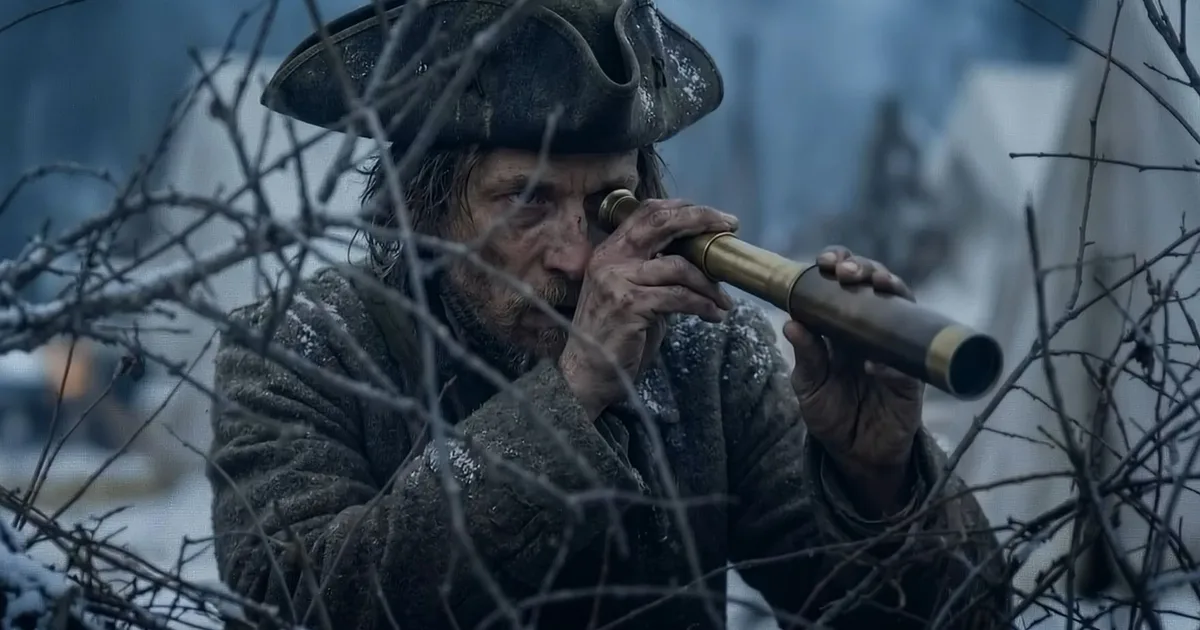
Launched on TIME’s YouTube channel in late January, this short-form series attempts to depict pivotal moments from the American Revolutionary War using AI-generated visuals. These visuals, crafted by Aronofsky’s studio Primordial Soup in collaboration with tech giants like Google DeepMind and Salesforce, are accompanied by the narration of professional voice actors. However, the execution has not met expectations.
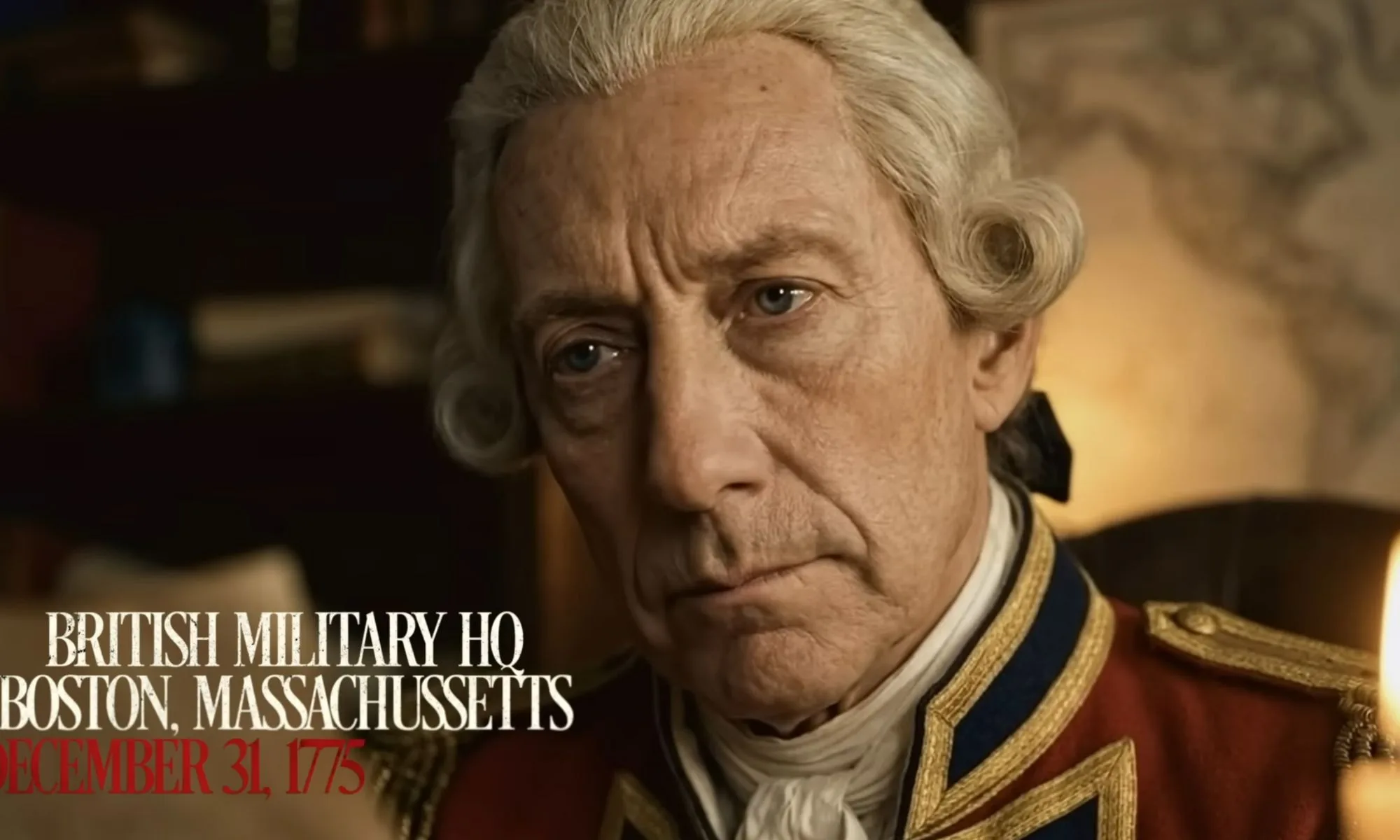
Critics were quick to take note of the unsettling visual quality. Many episodes received backlash for their jarring character depictions and visual glitches, which detracted from the immersion that a historical portrayal should ideally evoke. One prominent source even described the AI-generated imagery as "ugly as sin," drawing attention to the series’ failure to create engaging and coherent visuals.
YouTube
The Critiques Pile Up
Reactions from esteemed publications like The Guardian and The Hollywood Reporter reflect the disappointment felt by many. Critics lambasted the series for relying on AI-generated content that resulted in awkward visuals and lifeless facial expressions, which starkly contrasted with the vitality of the narrative voice. This disconnect between sight and sound left many viewers wanting more.
Social Media Reaction
Across social media platforms, the response echoed these criticisms. Users called the project "embarrassing" and "disappointing," especially when considering Aronofsky’s impressive track record with visually stunning films like Black Swan and Requiem for a Dream. There’s widespread concern that this AI-driven venture could lower the bar for narrative quality, ultimately impacting audience expectations and preferences.
YouTube
A Reflection on AI’s Role in Storytelling
The reception of On This Day… 1776 sheds light on a critical divide: the capability of AI tools versus the expectations of viewers looking for nuanced storytelling. While many are exploring hybrid creative models that integrate human artistry and AI, there’s ongoing controversy about projects that seem to replace essential creative roles with algorithms. Furthermore, this conversation touches upon broader issues, such as labor protections for actors and the ethical concerns surrounding AI-generated content.
Despite the backlash, there are advocates who argue that these early experiments are vital to the evolution of storytelling. As the industry wrestles with the integration of AI, future projects may enhance their processes, finding a balance between innovative technology and artistic intention. For now, On This Day… 1776 serves as an important lesson and a reminder that audiences still cherish the depth and nuance that only human creators can provide.
As we look ahead, let’s continue to champion and explore the potential of storytelling—human or AI-infused. What are your thoughts on the future of AI in film? Engage with us and share your perspective!