Could SpaceX’s Satellite Plan Enable Your AI to Operate in Orbit?
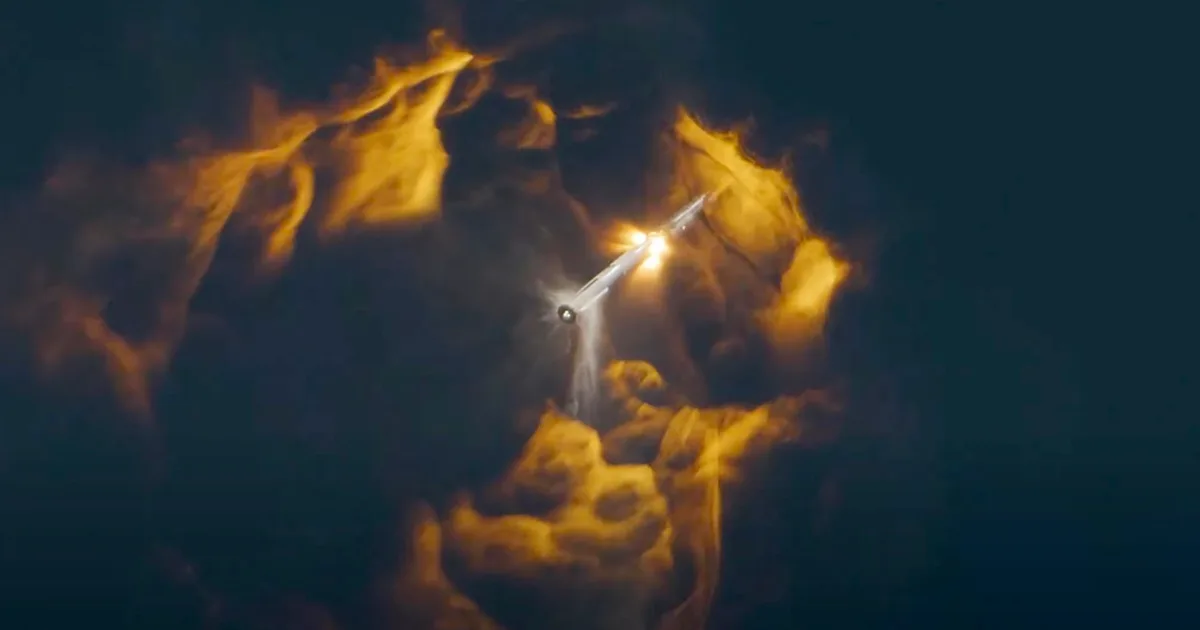
SpaceX has taken a bold step into the future by acquiring xAI, merging two of Elon Musk’s most ambitious ventures. This strategic move aims to revolutionize artificial intelligence infrastructure by proposing the establishment of AI data centers in space—an innovative solution to the increasing demands of the tech landscape.
Musk argues that the current advancements in AI hinge on massive data centers on Earth, which consume substantial energy and require complex cooling systems. By transitioning some of this workload to orbit, he believes we can capitalize on the abundant solar energy available in space, creating a scalable solution that addresses today’s constraints.
The Vision Unfolds
SpaceX has made significant progress toward this vision by initiating the regulatory process to launch a staggering constellation of 1 million satellites. This network of solar-powered data centers is designed to meet the burgeoning demand for AI-driven data processing. In Musk’s words, the most economical method of generating AI computational power could be operational in space within the next two to three years.
Concrete Plans Signal Change
The filing with the Federal Communications Commission (FCC) serves as a pivotal step in concretizing this ambitious plan. A satellite constellation of this magnitude not only facilitates communications but also hints at the possibility of in-orbit data processing. Instead of sending data back to Earth for every task, processing can occur above our atmosphere, enhancing efficiency and speed.
This strategic merger positions xAI under SpaceX to directly link AI software demands with a company equipped to deploy the necessary hardware in space. In doing so, it also fortifies xAI’s access to vital resources, including capital and computational power.
Urgency Driven by Rising Costs
The insatiable hunger for computational power in AI is escalating infrastructure costs. Next-generation models are anticipated to require significantly more energy than their predecessors. According to a report by Goldman Sachs, the demand for energy in data centers is projected to surge dramatically by 2030.
For context, Microsoft recently reported a whopping $37.5 billion in capital expenditures in the last quarter of 2025, while Meta disclosed $22.14 billion. Many residents near these data centers have noted an increase in their energy bills, with an analysis from Bloomberg News revealing substantial hikes in electricity costs compared to five years prior.
Looking Ahead: Regulatory and Operational Signals
The approval for the satellite plan represents the first crucial hurdle to overcome. Once granted, execution becomes the next challenge—potentially complicated by cultural differences among the teams, as indicated by insights from previous xAI employees regarding varied working styles.
Another aspect to monitor is the potential for an initial public offering (IPO). Musk hinted last December at a plan for SpaceX to go public, with a valuation around $1.5 trillion. Merging the two companies could reshape the IPO narrative, provided SpaceX turns its regulatory filings into tangible timelines and deployments.
With Musk leading this unprecedented initiative, the fusion of AI and aerospace could fuel a groundbreaking era for technology and sustainability. It’s a journey worth following closely as we witness how space might soon become the new frontier for AI innovation.
Are you ready to embrace the future? Join us as we explore these transformative developments unfolding in the cosmos. Together, we can navigate the next chapters of technology’s evolution.