Coca-Cola Embraces AI Marketing Strategy Amid Slowing Price-Driven Growth
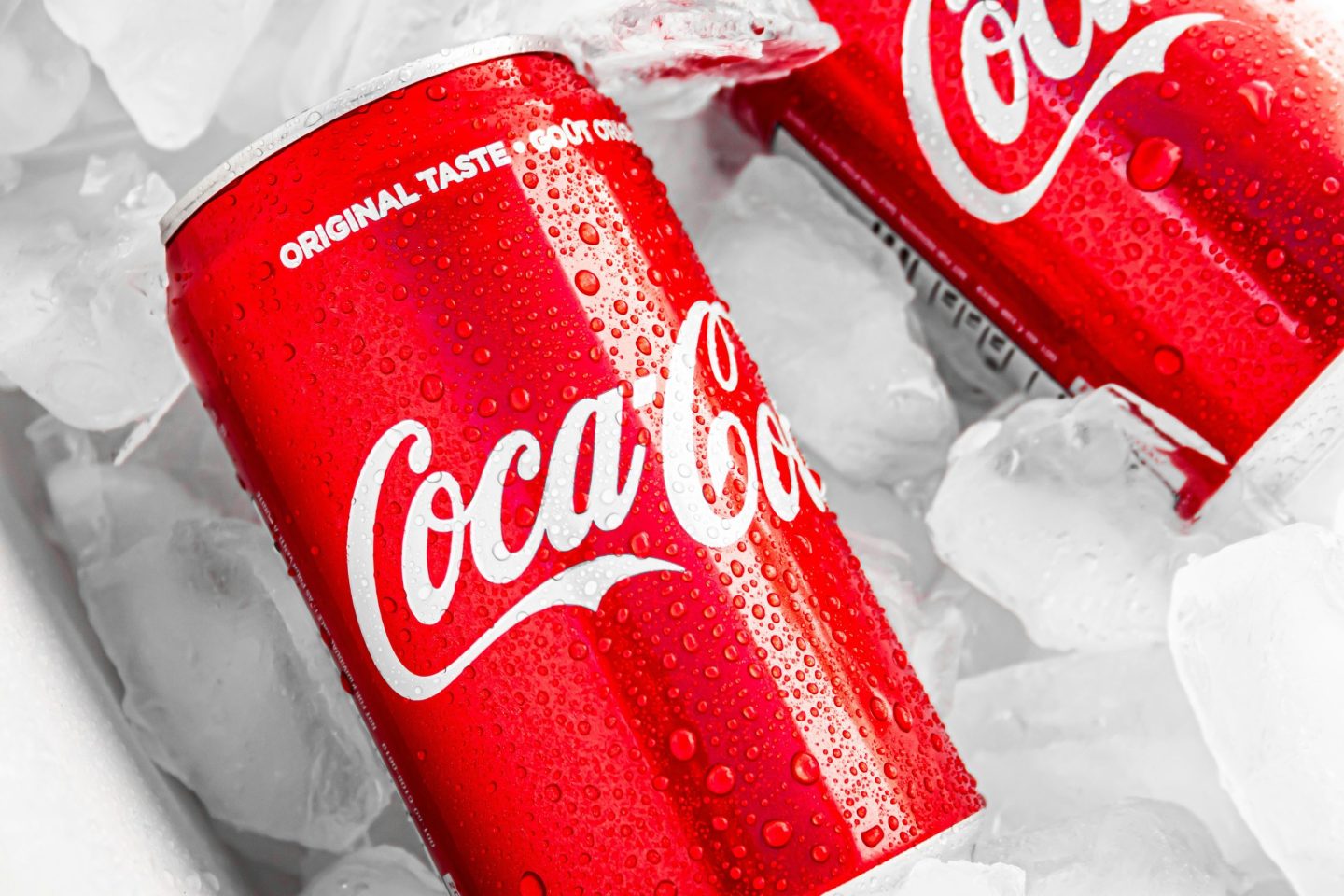
Shifting from price hikes to influence, Coca-Cola’s new approach reveals the integral role of AI in corporate marketing strategies. In the landscape of a post-inflation economy, the beverage giant is moving beyond mere pricing tactics to focus on brand persuasion, engaging consumers in more meaningful ways.
The New Era of Marketing at Coca-Cola
Coca-Cola’s executives are marking a transition towards a phase that emphasizes influence rather than just pricing power. Recent discussions highlight the brand’s intent to harness digital platforms, AI, and effective in-store executions to spark demand. As inflationary pressures recede, the company is reevaluating its strategies, facilitating an environment that nurtures revenue growth through consumer persuasion.
With this shift, Coca-Cola aims to deepen the integration of AI into its marketing ecosystem. The company has begun experimenting with generative AI for creative campaigns, exploring automation to enhance content creation, campaign planning, and distribution effectiveness.
Embracing AI in Marketing Workflows
Recent insights suggest Coca-Cola is venturing into AI-driven systems designed to streamline parts of the advertising process. This includes automating tasks like script drafting and social media content preparation. Although these initiatives are still in the testing phase, they signify a broader movement among large brands toward more automated marketing pipelines, cutting down the duration from concept to campaign.
Over the past two years, many consumer goods firms have leaned heavily on price increases to combat rising costs. As inflation levels off in several markets, experts believe this tactic has its limits. Consequently, the focus is shifting toward persuading consumers to make more frequent purchases or opt for higher-margin products. Here, AI offers a powerful solution to refine persuasive techniques at scale, utilizing data to craft targeted messages and modify campaigns swiftly.
AI in the Spotlight: Trends and Analysis
Coca-Cola’s strategy aligns with a wider trend in marketing technology. According to a report by McKinsey, one-third of organizations are implementing generative AI in at least one business function, with marketing and sales being the most common. This adoption is expected to rise as businesses continuously test automation within creative processes and consumer interactions.
What stands out in Coca-Cola’s initiative is the framing of AI not merely as a tool for saving costs but as a central element of a significant operational shift. By concentrating on persuasion, the company underscores that AI’s strength lies in steering demand rather than just enhancing efficiency. This involves analyzing consumer behavior, customizing messaging, and equipping local teams with adaptable content.
Balancing Automation with Creativity
The rise of automation in marketing also brings forth challenges regarding creative quality and brand consistency. While automation can expedite production and explore diverse campaign ideas, it raises concerns about the integrity of messaging and brand identity. For global players like Coca-Cola, ensuring that campaigns resonate across various regions adds an extra layer of complexity.
Moreover, as spending migrates towards digital advertising platforms, the need for a diverse array of content has surged. AI tools become invaluable in crafting multiple ad versions, testing various methodologies, and refining messages based on performance data, highlighting not just cost but also speed and flexibility.
Coca-Cola’s approach underscores the evolving landscape of AI utilization. Where early applications focused on data analytics and internal operations, companies are now leveraging AI in customer-facing roles like marketing strategy and campaign management. This transition signifies that AI is increasingly becoming a competitive edge in the market rather than merely a tool for cost reduction.
A Hybrid Future for Marketing
The company has made it clear that AI will not replace creative teams or agencies; instead, a hybrid model is emerging. This model envisions automation taking over repetitive or data-intensive tasks while human teams nurture brand voice and campaign concepts. Many marketing leaders envision this collaboration as the next evolutionary step in AI adoption.
Coca-Cola’s pivot towards persuasion over pricing may set a new precedent for how other consumer brands navigate growth in a landscape emerging from inflation. If AI can assist in crafting precise demand strategies, it could reduce dependency on price hikes and blanket campaigns, ultimately reshaping the future of marketing.
There’s never been a better time to explore how these innovations can enhance your own brand’s connection with consumers. Embrace the extraordinary potential of AI in your marketing strategy and watch your influence grow. Ready to start your journey? Let’s reshape the narrative together!