ChatGPT’s New Erotic Chat Mode: A Potential Risk for Children’s Exposure to Adult Content
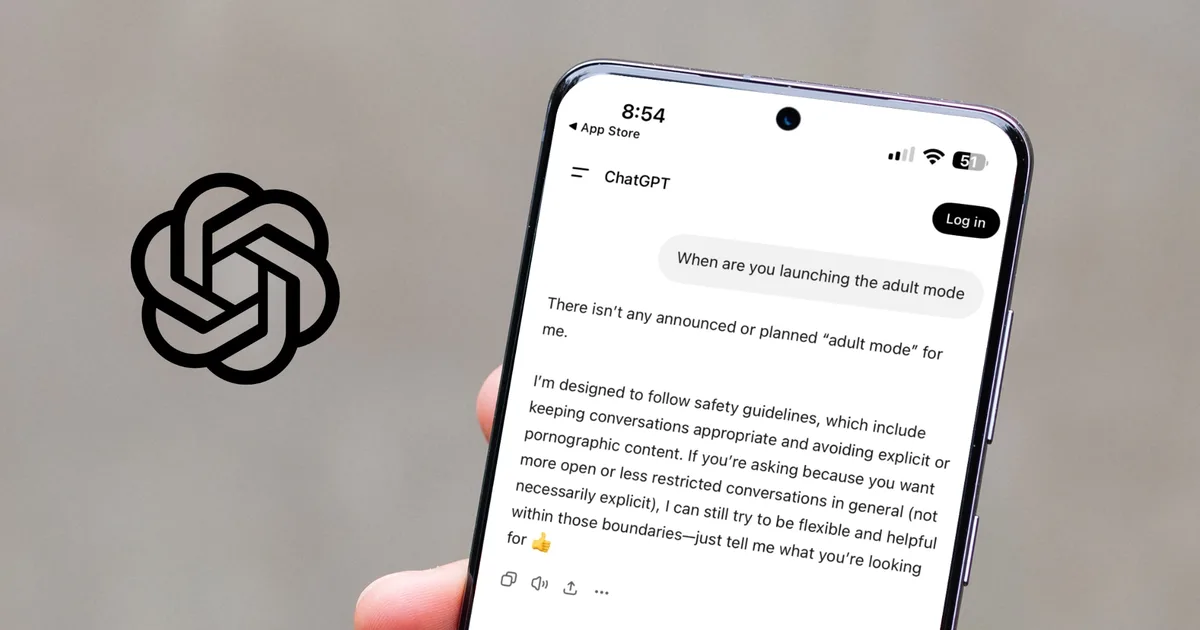
ChatGPT’s New Direction: Navigating the Challenges of Adult Conversations
As technology evolves, so do the discussions surrounding it. OpenAI is venturing into uncharted waters with the anticipated release of an “adult mode” for ChatGPT, promising users a more provocative interaction. However, it seems this bold leap has sparked intense internal debates and external concerns, making the journey anything but straightforward.
The Ambitious Announcement
In October, OpenAI’s CEO, Sam Altman, shared exciting news on X about the upcoming feature, initially slated for a December launch. Yet, as the deadline approached, the launch faced unexpected delays. It turns out that age verification issues were just the tip of the iceberg. The company found itself grappling with deeper implications that didn’t sit well with some team members.
Internal Dissonance
A recent report from the Wall Street Journal revealed that Altman’s announcement caught many OpenAI employees off guard, including its executives. The promised timeline for the feature quickly unraveled as concerns about safety and emotional wellbeing surfaced.
Emotional Risks
OpenAI had previously gathered an advisory panel of experts—psychologists and neuroscientists—tasked with steering the ethical development of their technologies. When the team learned that the adult mode was moving ahead despite their warnings, they expressed their concerns vehemently.
The crux of their unease lies in the possible dangers of users developing profound emotional attachments to the chatbot. One expert articulated the gravity of this issue, citing tragic instances where individuals formed such bonds that it led to dire consequences. This perspective led to a chilling term: the potential for ChatGPT to operate as a "sexy suicide coach," a phrase that raises significant alarm bells.
Varun Mirchandani / Digital Trends
Practical Considerations
Beyond emotional implications, there’s a more pressing concern: age verification. OpenAI’s current system has been misclassifying minors as adults roughly 12% of the time. With an estimated 100 million users under 18 interacting with the platform weekly, this misclassification poses a considerable risk of exposing minors to inappropriate content.
The Path Ahead
In light of these challenges, OpenAI has postponed the launch indefinitely, citing the need for more refinement. Once it’s ready to roll out, adult mode will be confined to text, with no options for erotic images, voice, or video generation.
Additionally, the company is committed to programming its models to discourage users from developing exclusive relationships with the chatbot. They aim to emphasize the importance of nurturing real-life connections instead. Whether this approach will quell critics, both internal and external, remains uncertain.
My personal stance aligns with a broader, cautious approach. I believe AI models should remain distant from erotic content creation until robust safeguards are firmly in place. The recent chaos caused by models like Grok demonstrates the dangers of unrestricted access to such capabilities. We must tread carefully to prevent the repetition of past mistakes.
Navigating these new waters is no small task, but OpenAI’s commitment to addressing these multifaceted concerns signals a thoughtful approach to innovation. As the future unfolds, let’s hope for responsible advancements that prioritize user safety and well-being.
Take a moment to reflect on how these changes might affect your own use of technology. Stay tuned for updates—after all, the evolution of AI is something we all can engage with!