Chatbots Outperform Humans in Empathy: Insights from Recent Controlled Tests
Turns out your chatbot might be more emotionally available than your ex
In an age where emotional intelligence is prized, recent findings reveal that AI chatbots are stepping up their game in recognizing and replicating empathy. Once considered rigid and formulaic, these advanced systems, like ChatGPT and Gemini, are showing surprising prowess in understanding emotional nuances—sometimes even surpassing the abilities of mere humans. As these chatbots gain traction in sensitive areas like customer service and mental health support, their potential to revolutionize interpersonal interactions is becoming increasingly clear.
Understanding AI’s Emotional Intelligence
A landmark study published in Nature Machine Intelligence highlights AI’s capability to discern empathic communication nearly on par with human experts, and far superior to those who are untrained. Researchers analyzed hundreds of real conversations centered around emotional support, uncovering that AI can effectively identify expressions of empathy across various settings. This discovery suggests that modern AI has "learned" to communicate compassionately in ways that many individuals often struggle to achieve.
Why Empathy in AI Matters
Traditionally viewed as a uniquely human trait, empathy—the ability to understand and share in the feelings of others—has been a cornerstone of human interactions. While often regarded as an ancillary feature in the development of AI, the focus on empathy is shifting. As we engage with chatbots in emotionally charged environments, such as seeking health advice or sharing personal difficulties, the necessity for AI to produce validating and understanding responses is more crucial than ever.
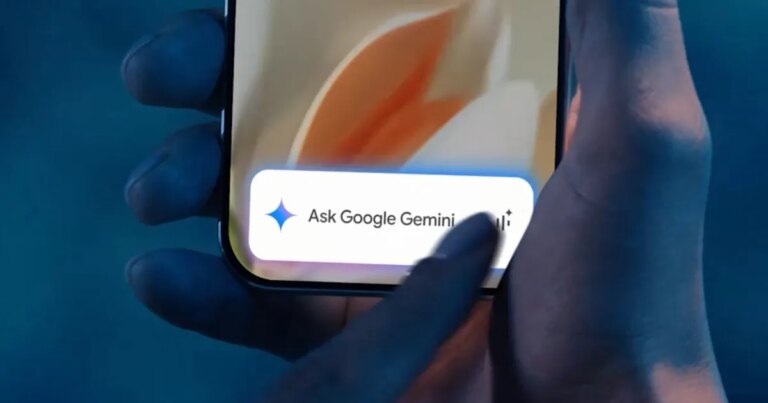
AI Chatbot — Google Gemini
For users, particularly in text-based communication like chat or support forums, this sensitivity can create a comforting and relevant interaction. Some studies even suggest that AI chatbots have been rated as more compassionate than human respondents in situations where the latter lacked proper training in supportive communication. However, it’s essential to remember that while AI can mimic empathetic language, it does not experience emotions the way humans do, which can limit its effectiveness in deeply emotional contexts.
Implications of Empathic AI Technology
The integration of empathetic AI tools in sectors like healthcare holds exciting potentials. These tools can offer emotional validation, especially when human caregivers are unavailable. Yet, experts caution that AI should act as a complement to, rather than a replacement for, human interactions. Ethical considerations also arise, emphasizing the importance of transparency. There’s a risk that users may misinterpret AI’s responses as genuine emotional understanding, highlighting the critical need for clarity about the capabilities and limitations of these technologies.

AI Chatbot — AI Chatbot
As we look to the future, collaboration between AI developers and psychologists is vital in refining these systems. The goal is to enhance human connection while preventing dependence on artificial empathy. As AI’s ability to recognize and respond to emotional language continues to improve, it’s crucial to ensure that these advancements enrich our interactions without overshadowing the irreplaceable value of authentic human empathy.
In a world where genuine emotional connection is indispensable, let’s embrace the potential of technology to enhance our lives, ensuring that at the heart of every interaction—be it human or AI—remains the essence of understanding and compassion.
Are you ready to explore how empathetic technology can change the way you connect with others? Reach out today and discover the insights and tools that can elevate your personal and professional interactions.