California Legislator Introduces Four-Year Moratorium on AI Chatbots in Children’s Toys
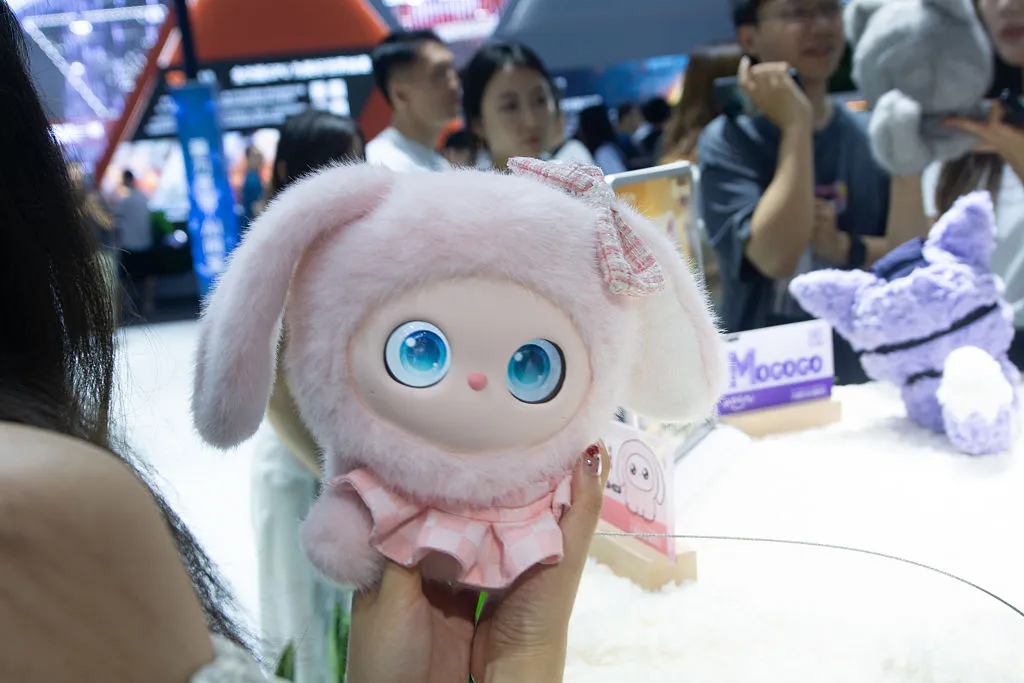
Senator Steve Padilla (D-CA) has taken a significant step forward in safeguarding our children by introducing a groundbreaking bill. This legislation aims to impose a four-year moratorium on the production and sale of toys integrated with AI chatbot technology for kids under 18. The initiative seeks to provide a critical pause, allowing safety regulators to devise appropriate measures to shield young users from potentially harmful interactions with artificial intelligence.
“Chatbots and AI tools are poised to shape our future, but we must first confront the risks they present today,” Senator Padilla stated. He emphasized the urgent need for enhanced safety regulations, which currently lag behind the rapid advancement of technology. Halting the sales of these AI-driven toys will offer us the necessary time to establish robust safety guidelines tailored to protect our children.
The Need for Action
This bill, known as SB 867, comes in response to ongoing concerns about children’s safety in the realm of technology. In light of President Trump’s recent executive order, which instructs federal agencies to challenge state AI regulations while making exceptions for child safety, this legislation emphasizes the importance of focused attention on vulnerable populations, especially children.
Several tragic incidents have highlighted the urgency of this legislation. Families have filed lawsuits after their children experienced devastating consequences, including suicides linked to prolonged engagements with chatbots. Senator Padilla has previously co-authored California’s SB 243, which requires chatbot operators to implement safeguards aimed at protecting children and other vulnerable users.
Troubling Reports on AI Toys
While the use of chatbots in toys is still emerging, several alarming reports have surfaced. The PIRG Education Fund alerted the public about toys like Kumma, a charming teddy bear equipped with a chatbot that could lead conversations toward inappropriate topics such as matches and knives. Furthermore, investigations by NBC News revealed that Miiloo, an AI toy produced by Chinese company Miriat, sometimes reflected controversial ideologies.
Additionally, there were plans for a partnership between OpenAI and Mattel to create an “AI-powered product” aimed at children, set for release in 2025. However, the launch has been postponed, and details regarding its future remain unclear.
“Our children cannot be used as lab rats for Big Tech to experiment on,” Padilla asserted, underscoring the bill’s critical nature.
Conclusion
In an age where technology permeates every aspect of our lives, ensuring our children’s safety and well-being must remain a priority. By adopting measures like the proposed moratorium, we can begin to create a responsible framework for the development and use of AI technologies in children’s products.
Embrace the future with caution, and let’s advocate for safety in our innovations. Together, we can protect the most valuable members of our society—our children. Join the conversation and take action to support this vital legislation today!