Brace Yourself: How the AI Race Could Spike Smartphone Prices in the Coming Year
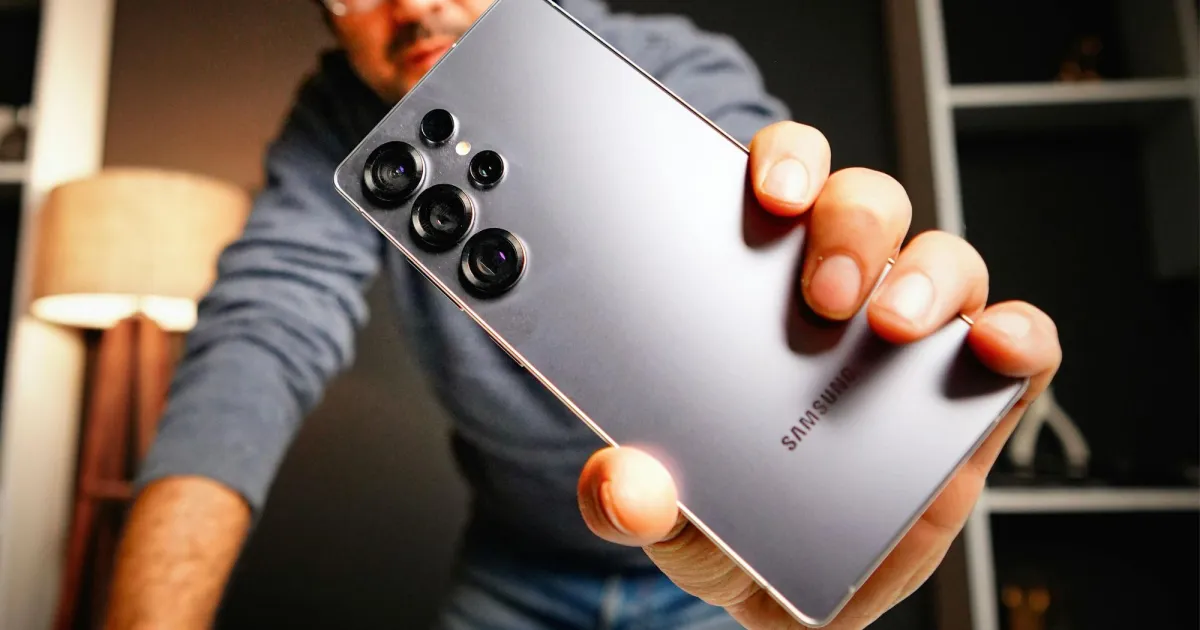
Memory chips are becoming increasingly elusive, leading to potential increases in consumer smartphone prices. For those considering an upgrade, the ongoing turmoil in the global supply chain could mean spending more than anticipated.
Current Situation in the Chip Market
Recent reports highlight a growing crisis for smartphone manufacturers. Renowned brands such as Xiaomi, OPPO, and Vivo are scaling back their chip purchases due to dramatic price hikes.
- Price Increases: Major suppliers like Micron, Samsung, and SK Hynix have raised their prices by as much as 50%.
- Inventory Challenges: Many manufacturers are dangerously low on stock, with some reporting less than two months of memory chips remaining.
- Panic Trigger: The situation escalated when Samsung suspended price announcements for its DDR5 chips in October, resulting in a 25% price jump within just a week.
Oppo
The AI Factor
So, what’s driving this chaotic landscape? The growing demand for memory chips isn’t solely from smartphones.
- Increased Competition: AI servers and expansive data centers are now fiercely competing for these crucial components.
- Top Dollar Offers: Companies seeking AI capabilities are willing to pay about 30% more per chip than their smartphone counterparts, making it a lucrative market for chipmakers.
- Production Cuts: Leading suppliers are intentionally reducing production to increase prices. As inventory dwindles, phone companies face tough choices: pay inflated prices or halt production.

Xiaomi
Implications for Consumers
Now, let’s break down what this means for you, the savvy consumer. If you’re eyeing a new smartphone, brace yourself for potentially higher costs.
- Cost Projections: Memory can constitute up to 30% of a phone’s total expense, right behind the processor.
- Price Bumps: Experts estimate mid-range and high-end smartphone prices could rise between $15 to $70 (¥100–¥500).
- Storage Trade-offs: This surge might mean receiving less storage for your money or needing to splurge on larger models, such as 512GB or 1TB options.
What Lies Ahead
Unfortunately, this chip shortage isn’t expected to ease soon. Industry insiders predict it may persist for quite some time.
- Long Wait for New Factories: If chipmakers were to begin constructing new facilities today, it could take one to two years before they become operational.
- Continuous Demand: With the ongoing AI expansion, chip prices are likely to keep climbing into early 2026.
For now, manufacturers and consumers alike must navigate this challenging landscape. Unless a major player like Apple steps in to leverage its influence for better pricing, the industry and consumers weary of higher costs will have to adapt.
In this dynamic climate, staying informed is your best strategy. The world of technology continues to evolve, and understanding these shifts will empower you to make wiser purchasing decisions. Embrace the change, and when it’s time to upgrade, you’ll be ready to find the best fit for you!