Arcee AI Unveils Groundbreaking 400B-Parameter Open Source LLM, Outpacing Meta’s Llama
Many in the tech world believe the future of the AI model market has already been etched in stone, dominated by tech giants like Google, Meta, and Microsoft, along with their preferred model creators, primarily OpenAI and Anthropic. However, a small but ambitious startup, Arcee AI, has entered the scene with a bold claim and a groundbreaking product that aims to disrupt the status quo.
A New Contender: Arcee AI’s Trinity
Arcee AI recently unveiled Trinity, a remarkably open general-purpose foundation model. With a staggering 400 billion parameters, Trinity is touted as one of the largest open-source models ever released by a U.S. company, making waves in an industry increasingly leaning towards proprietary solutions. This move challenges the conventional wisdom that only the established tech behemoths can dominate the AI landscape.
Comparing Performance
In benchmark comparisons, Trinity holds its own against formidable counterparts like Meta’s Llama 4 Maverick and Z.ai’s GLM-4.5 from China’s Tsinghua University. These tests indicate that Trinity can compete on various tasks, particularly in coding and reasoning, showing a strong potential for both developers and researchers.
Image Credits: Arcee AI
Focused Development
While Trinity primarily supports text for now, Arcee is committed to expanding its capabilities. A vision model and a speech-to-text version are in the works, but the primary goal is to cater to developers and academics, particularly those in the U.S. who may feel unsure about foreign models. CTO Lucas Atkins emphasizes that winning over developers requires delivering the best open-weight model available.
Impressive Achievements
Arcee has made remarkable strides in a short period. The development of Trinity follows two previous models: the 26B-parameter Trinity Mini and the 6B-parameter Trinity Nano. Notably, all three models were trained within just six months at a cost of approximately $20 million, utilizing powerful Nvidia Blackwell B300 GPUs. This efficiency demonstrates Arcee’s determination and capability to compete with larger labs, even with a smaller budget.
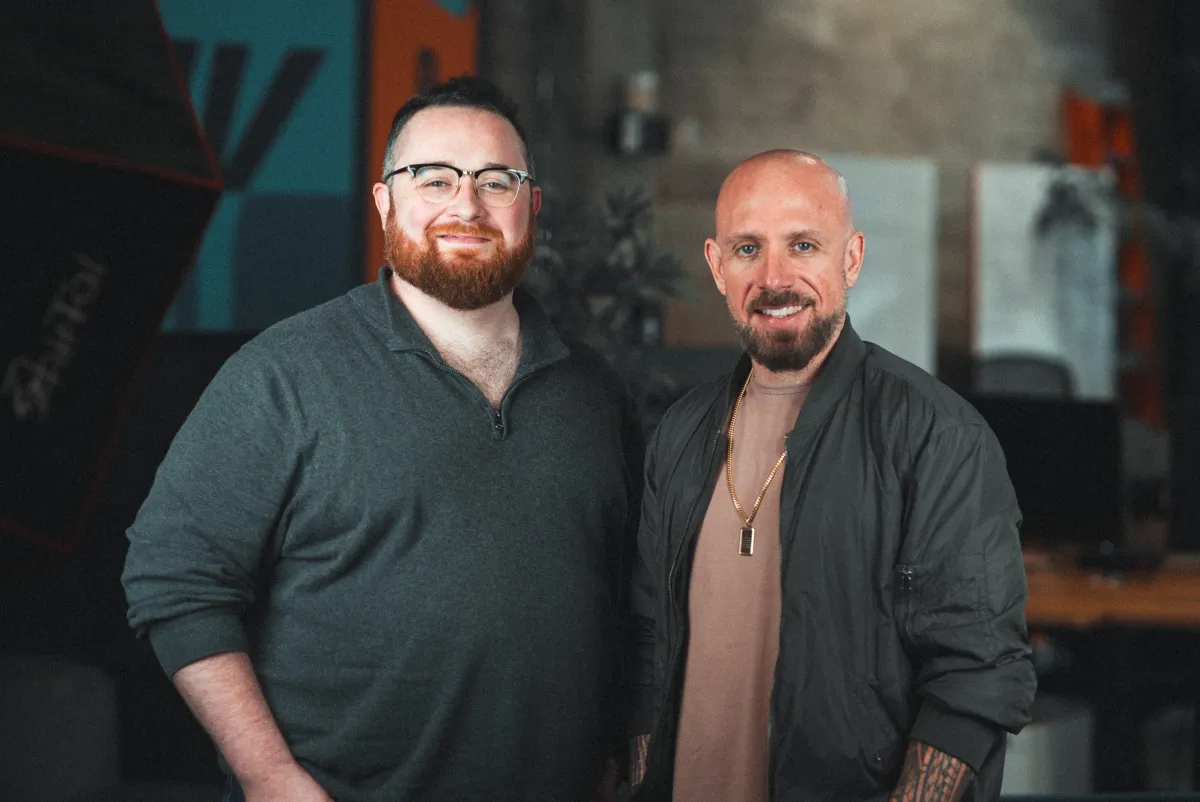
Founder and CEO Mark McQuade pointed out that this ambitious venture was born from the need to create proprietary models, driven by an increasing client base and a preference for U.S.-based solutions.
Open-Source Commitment
Arcee’s commitment to keeping Trinity open-source under the Apache license sets it apart. While other models, like Llama, may impose commercial restrictions, Arcee aims to provide a completely transparent and freely available alternative. As McQuade notes, the U.S. needs a model like Trinity, emphasizing its intent to compete at the cutting edge of AI technology.
Free Downloads and API Access
All iterations of Trinity, from the large model to its more compact versions, will be available for free download. The release will consist of three variants:
- Trinity Large Preview: Lightly post-trained to follow human instructions.
- Trinity Large Base: The base model without post-training.
- TrueBase: A model with no instruct data, allowing for easy customization.
In addition, Arcee AI plans to roll out a hosted version of its model at competitive API pricing, with the launch expected within six weeks as the team fine-tunes the model’s capabilities.
Conclusion: A Vision for the Future
As Trinity makes its debut, it represents more than just a competitive entry into the AI space; it symbolizes a commitment to open-source innovation and a push against the monopolistic tendencies of bigger firms. With plans for robust features and a dedication to community support, Arcee AI is set to inspire a new wave of developers and researchers.
Are you ready to explore the incredible possibilities that Arcee AI’s Trinity has to offer? Join the revolution and download your model today, and help shape the future of AI technology!