AI-First Workplaces: Essential Insights for Success
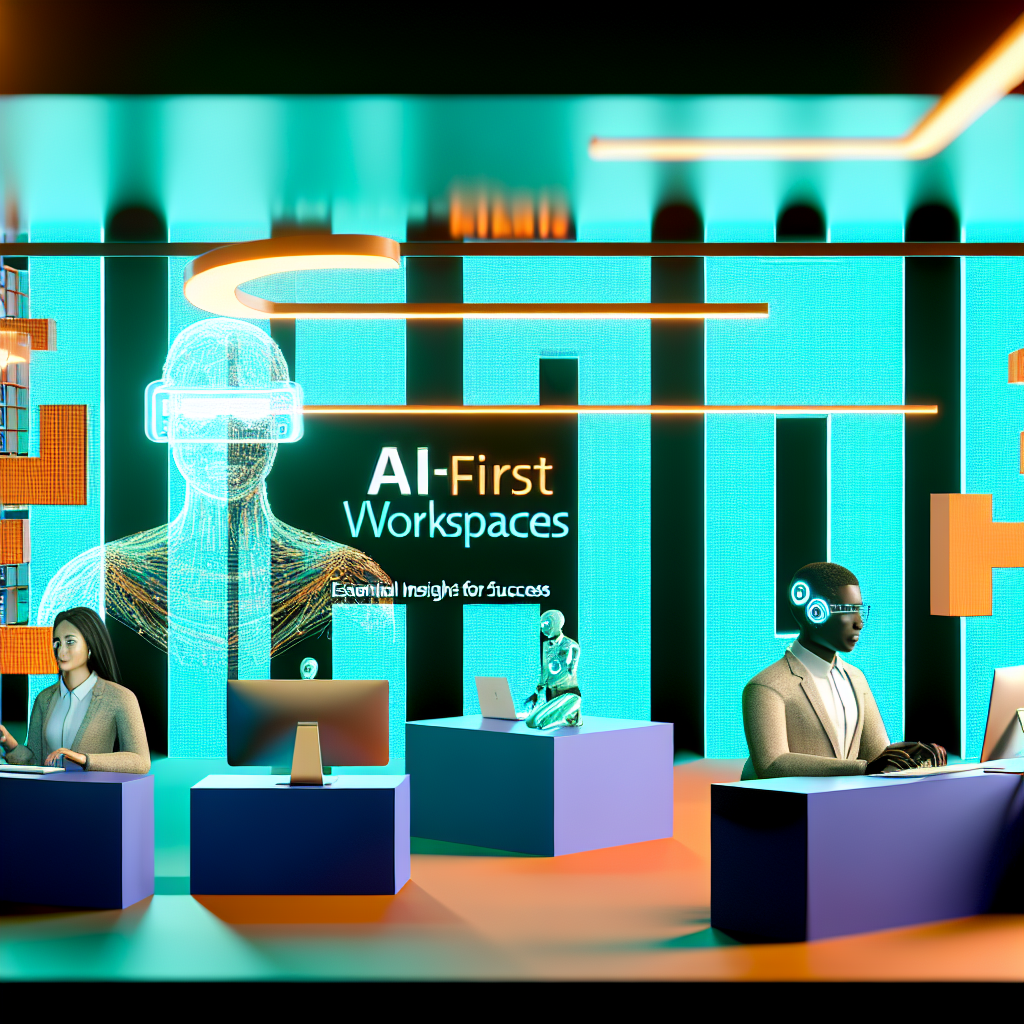
The evolution of the workplace has been profound, particularly with the rise of generative AI. As technology reshapes our professional environments, understanding how to leverage these advancements can significantly enhance productivity and efficiency. Let’s explore the concept of an AI-first workplace and what it means for our day-to-day operations.
The Transition to an AI-First Workplace
Over the decades, we’ve seen various technological shifts that have revolutionized how we work. From using typewriters to desktop computing and the advent of collaborative tools like Google Docs, each era has brought improvements in productivity. Today, we stand on the brink of another major shift with generative AI, which promises to take workplace efficiency to unprecedented levels.
What Defines an AI-First Workplace?
An AI-first workplace integrates generative AI tools that assist employees in their daily tasks. These tools can automate mundane activities like meeting transcriptions and summarizations, allowing professionals to focus on more strategic initiatives. This transformation means working smarter, not harder.
Key Features of Generative AI in the Workplace
Generative AI tools, like AI companions, can optimize workflows by handling a range of tasks:
-
Meeting Automations: AI can summarize meetings, identify key action items, and integrate them with work documents seamlessly. This means you can spend less time taking notes and more time engaging in meaningful discussions.
-
Drafting and Writing: With AI, drafting documents and emails becomes a collaborative effort. Users can generate initial drafts that require minimal revisions, significantly speeding up the writing process.
- Enhanced Collaboration: AI can facilitate real-time collaboration by ensuring that all team members are updated with the most relevant information, reducing miscommunication and improving teamwork.
The Importance of Critical Thinking
While AI tools enhance productivity, it’s essential to maintain critical thinking skills. AI can sometimes produce inaccuracies; therefore, validating the information it provides is crucial. Cultivating an independent mindset helps professionals make informed decisions even when relying on AI-assisted outputs.
Embracing Change and Unlearning Habits
As we transition into this AI-first era, professionals must be willing to unlearn traditional habits that may no longer serve them. For instance, relying solely on note-taking during meetings can hinder productivity when AI tools are available to summarize and track important details.
Adapting to New Skill Sets
To fully benefit from this evolving landscape, professionals should focus on developing new skills, particularly in asking the right questions and leveraging AI-generated insights. It’s about being proactive and using AI to enhance creativity and strategy.
Conclusion
The rise of generative AI offers unparalleled opportunities for workplace productivity. By embracing AI tools while maintaining critical thinking skills, professionals can navigate this new landscape effectively. As businesses evolve, those willing to adapt will thrive in this AI-first world.
To stay informed on the latest trends in AI and how to leverage them for success, consider signing up for a daily newsletter that offers insights and strategies tailored to today’s workforce. For further learning on generative AI, check out resources from reputable organizations like Adobe or Microsoft.
Let’s embrace the future of work together!