AI Expo 2026: Transforming Experimental Pilots into Scalable AI Solutions on Day 2
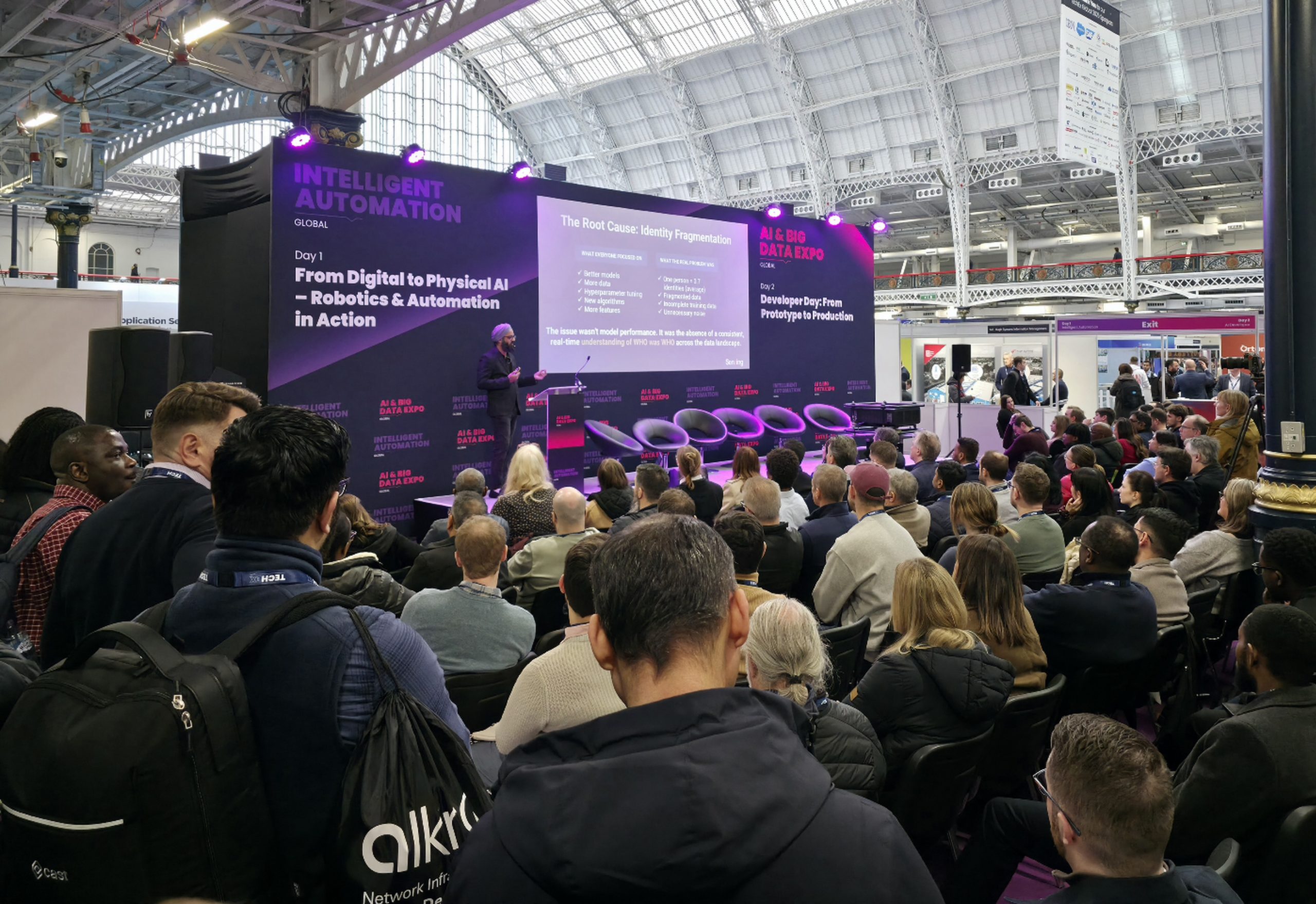
The second day of the co-located AI & Big Data Expo and Digital Transformation Week in London marked a pivotal moment in the ever-evolving technology landscape. As the initial thrill surrounding generative models begins to wane, enterprise leaders are grappling with the complexities of integrating these innovative tools into existing frameworks. Attendees noted a distinct shift in discussion topics; day two’s sessions delved deeper into the critical infrastructure underpinning these advancements, exploring themes such as data lineage, observability, and compliance.
Understanding the Importance of Data Maturity
One of the key takeaways from the sessions was the vital role of data quality in ensuring the reliability of AI systems. DP Indetkar from Northern Trust highlighted a significant warning: allowing artificial intelligence to operate like a “B-movie robot” is a real risk if poor input data is allowed to govern outcomes. He stressed that a solid foundation of analytics maturity is essential prior to the adoption of AI technologies.
- When the data strategy is flawed, automated decision-making can exacerbate existing errors, rather than ameliorating them.
Eric Bobek from Just Eat echoed this sentiment, asserting that for global enterprises, the integration of data and machine learning is necessary for sound decision-making. If an organization’s data foundation remains fragmented, investments in AI solutions can quickly become wasted resources.
Mohsen Ghasempour from Kingfisher further emphasized the urgency of transforming raw data into real-time actionable insights. Retailers and logistics firms, in particular, must minimize the lag between data collection and insight generation to optimize returns.
Navigating Challenges in Regulated Environments
In sectors such as finance, healthcare, and legal, the stakes are high—allowing no room for error. Pascal Hetzscholdt from Wiley underscored the need for responsible AI practices that adhere to accuracy, attribution, and integrity. Enterprise systems in these fields require clear audit trails since the consequences of reputational damage or regulatory penalties are too severe for "black box" implementations.
Konstantina Kapetanidi from Visa shared insights into the complexities of building scalable, multilingual generative AI applications. These advanced models are evolving into active agents that don’t just generate text but can perform tasks, such as querying databases. This functionality introduces new security vulnerabilities that necessitate thorough testing.
Parinita Kothari from Lloyds Banking Group called attention to the need for continuous oversight in the deployment, scaling, monitoring, and maintenance of AI systems. The outdated “deploy-and-forget” mentality is insufficient; ongoing diligence is essential, similar to what is required for traditional software infrastructures.
How Developer Workflows Are Evolving
With the rise of AI, the landscape of software development is being reshaped fundamentally. A panel featuring speakers from Valae, Charles River Labs, and Knight Frank highlighted how AI copilots are accelerating code generation, compelling developers to shift their focus toward review and architecture.
This transformation demands new skills. Representatives from Microsoft, Lloyds, and Mastercard discussed what tools and mindsets are essential for future AI developers. There currently exists a gap between existing workforce capabilities and the demands of an AI-enhanced environment. Executives must strategically plan training programs that ensure developers can effectively validate AI-generated code.
Dr. Gurpinder Dhillon from Senzing and Alexis Ego from Retool showcased low-code and no-code strategies. Ego illustrated the use of AI to enhance low-code platforms, aimed at creating ready-to-use internal applications. This approach not only accelerates development but also aims to address backlogged internal requests.
Dhillon further argued that such strategies can hasten development timelines without sacrificing quality, suggesting that cost-effective software delivery is possible if governance protocols are maintained.
The Integration of Digital Colleagues
As technology progresses, workers are increasingly collaborating with “digital colleagues.” Austin Braham from EverWorker described how these agents are transforming workforce models, marking a departure from passive software to more proactive participants. This shift necessitates an urgent reassessment of human-machine interaction protocols among business leaders.
Paul Airey from Anthony Nolan provided a compelling illustration of AI’s potential to deliver life-saving outcomes. He detailed how automation has revolutionized the donor matching process, significantly improving timelines for stem cell transplants. The potential utility of these technologies extends far beyond simple tasks, addressing high-stakes logistical challenges.
A recurring theme throughout the event was that the most effective applications concentrate on solving specific, high-friction problems, rather than attempting to serve as one-size-fits-all solutions.
Managing the Transition
The discussions from day two signified a crucial focus on integration—the initial novelty of AI has made way for a more pressing concern: ensuring uptime, security, and compliance. Innovation leaders are now faced with the task of determining which projects possess the requisite data infrastructure to thrive in the real world.
Organizations must prioritize fundamental aspects of AI, including:
- Cleaning data warehouses
- Establishing legal frameworks
- Training personnel to oversee automated agents
The fine line between a successful deployment and a stalled pilot often hinges on these critical details.
For executives, directing resources toward data engineering and governance frameworks is essential. Without a robust foundation, even the most advanced models will struggle to deliver tangible value.
As we move forward in this dynamic landscape, it’s essential to embrace the journey of integration and transformation. If you’re ready to enhance your organization’s AI capabilities and unlock the full potential of your data, let’s connect and explore the possibilities together. Your next step towards innovation is just around the corner.