AI Agents: What You Need to Know for Success
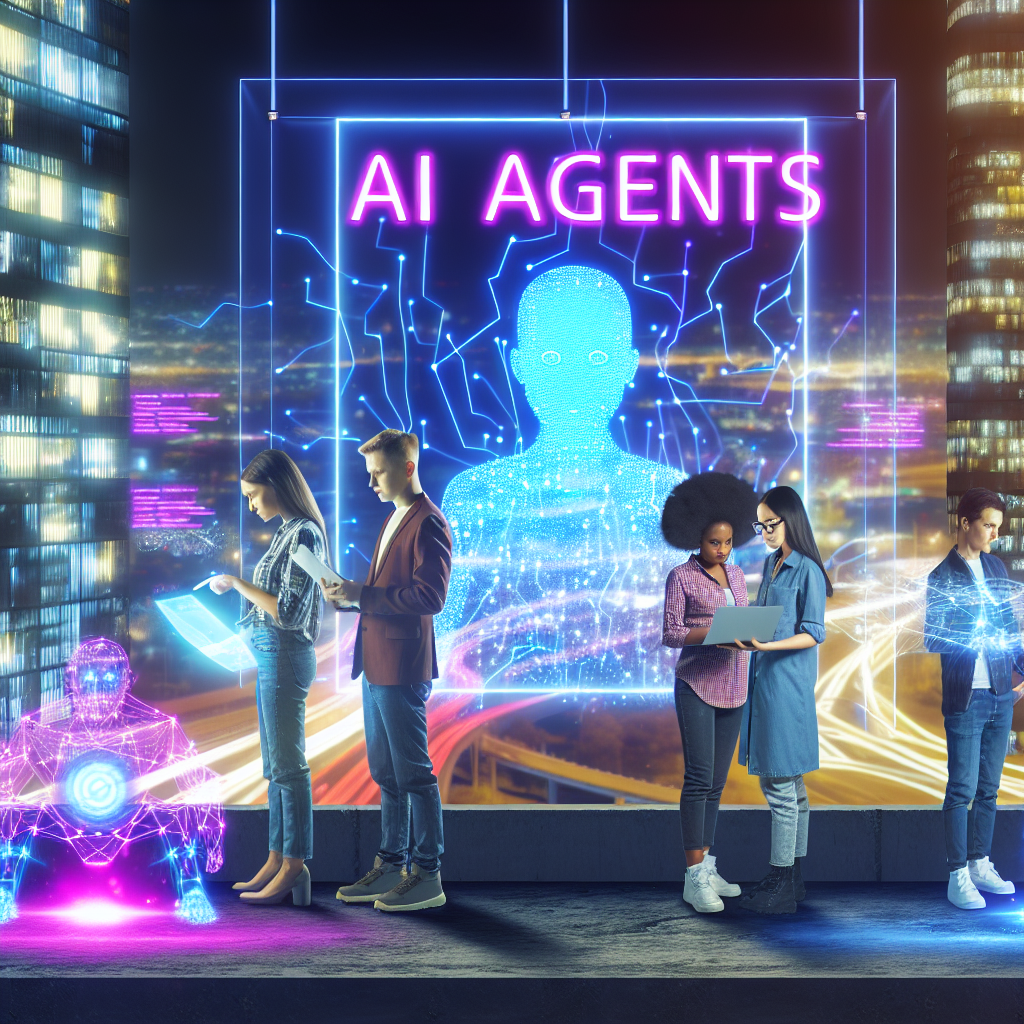
AI agents are revolutionizing how we work and interact with technology. No longer a concept confined to science fiction, these advanced tools promise to enhance productivity and tackle tedious tasks without the need for constant human oversight. As major companies increasingly adopt AI agents, understanding their functionality, benefits, and implications has never been more critical.
What Are AI Agents?
AI agents are software programs designed to perform tasks autonomously or semi-autonomously, powered by sophisticated large language models (LLMs). These programs can understand natural language and execute commands to accomplish various business processes, making them invaluable for organizations seeking efficiency.
Categories of AI Agents
-
Manual AI Agents: Triggered by human commands, these agents perform specific tasks based on explicit instructions.
-
Autonomous AI Agents: These agents operate continuously, executing tasks independently without human intervention.
- Semi-Autonomous Agents: Functioning between the two extremes, these agents may be activated by specific events or schedules, allowing for greater flexibility in their deployment.
Recent Advancements
Recent advancements in AI technologies have catapulted AI agents into the spotlight. Companies like Microsoft and Salesforce are at the forefront, launching new features that enhance the capabilities of AI agents. Microsoft’s Copilot Studio enables users to build customized AI agents with no code or low code, integrating seamlessly with company data. Similarly, Salesforce’s Agent Force focuses on automating customer service and sales processes, showcasing a significant industry shift.
Real-World Applications
-
Customer Support: AI agents can handle customer inquiries, provide real-time updates, and improve overall service quality by learning from interactions.
-
Sales Automation: Tools like Salesforce’s Agent Force can automate lead management and customer follow-ups, freeing sales teams to focus on higher-value tasks.
- Software Development: AI coding assistants are streamlining the development process, allowing engineers to create software applications through natural language requests.
Benefits of Implementing AI Agents
-
Increased Efficiency: AI agents can manage repetitive tasks around the clock, drastically reducing time spent on manual processes.
-
Cost Savings: Companies can save billions by automating labor-intensive functions, which reduces operational costs significantly.
- Enhanced Productivity: With AI handling mundane tasks, employees can focus on strategic initiatives, fostering innovation and growth.
Challenges and Ethical Considerations
While AI agents offer numerous benefits, they also pose certain challenges. Issues related to data privacy, bias in AI algorithms, and potential job displacement must be carefully navigated. Organizations should implement ethical guidelines and robust oversight to ensure responsible AI usage.
The Future of Work
As major corporations increasingly invest in AI agents, the landscape of work is evolving. The ability to harness AI not only improves operational efficiency but also alters the skill sets required in the workforce. A successful integration of AI agents will require a careful balance between human insight and machine efficiency.
Conclusion
AI agents are not just a passing trend; they represent a fundamental shift in how organizations operate. The advancements being made today will define how future work environments function. For businesses eager to stay competitive, understanding and effectively implementing AI agents will be crucial.
For more insights on AI and its impact on the workplace, consider reading about the benefits of AI in business on Harvard Business Review or exploring resources on Forbes.
If you found this post informative, we encourage you to share it with others and stay tuned for more insights on the transformative power of AI in the workplace.