Agentic and Physical AI in Medtech: NVIDIA’s Impact
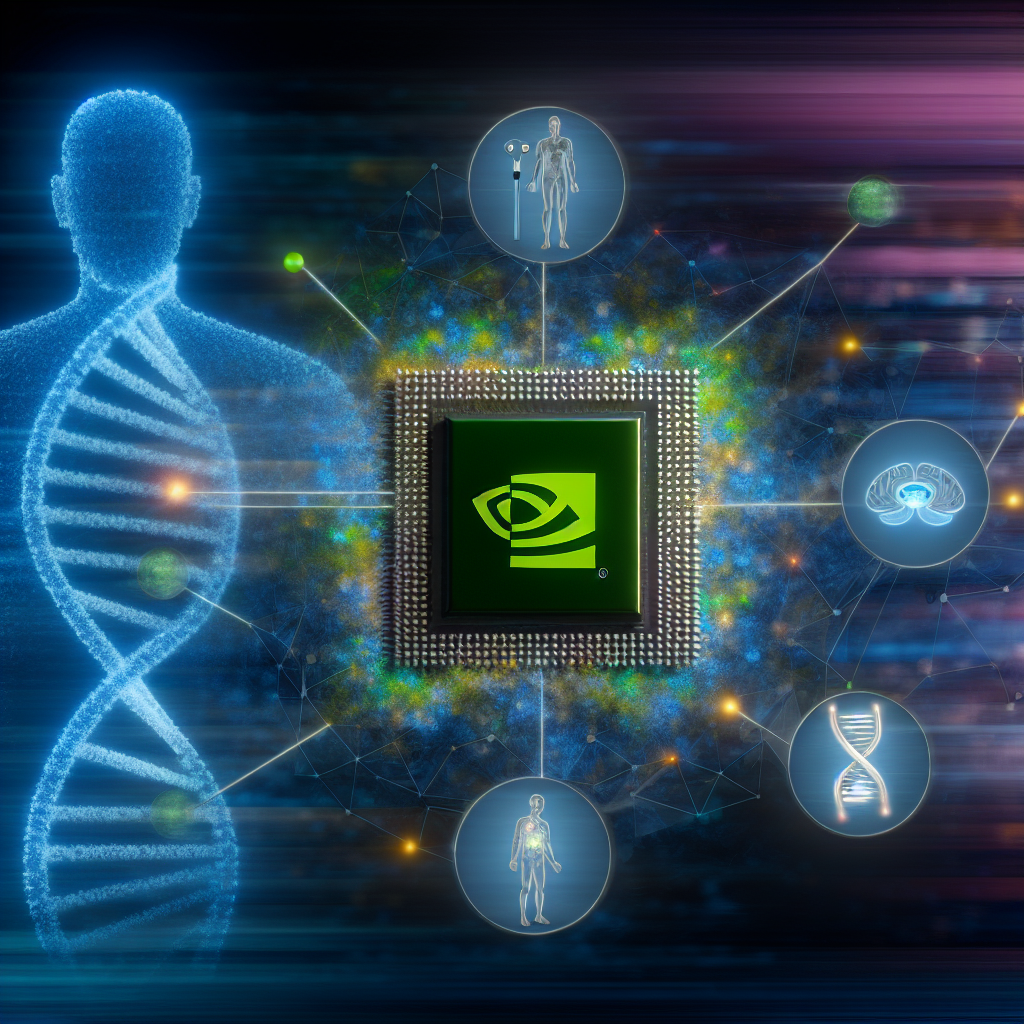
Unlocking the Future of AI in Healthcare: A Deep Dive
Artificial Intelligence (AI) has the power to transform industries, and healthcare is one of the fields reaping the benefits. The innovative technologies emerging in this sector enhance patient experiences, improve diagnostic accuracy, and streamline operations, proving that AI is not just a digital phenomenon. This post explores the advancements in generative and agentic AI within healthcare, highlighting their significance for everyday life.
Understanding Generative AI in Healthcare
Generative AI has the potential to revolutionize the healthcare industry by facilitating the analysis of complex medical data. From MRI scans to CT images, this technology interprets intricate patterns to deliver valuable insights. For healthcare professionals, this translates into more precise diagnostic tools and improved patient care.
Incorporating AI into the healthcare workflow means that clinicians can devote more time to patient interaction rather than administrative tasks. By automating processes like image reconstruction, AI frees up valuable resources, enabling healthcare providers to focus on what truly matters—patient outcomes.
The Rise of Agentic AI
Agentic AI takes the technological advancements a step further by adding a layer of decision-making capability. This type of AI is not just about analyzing data but also interacts in real time with patients and healthcare systems.
For instance, agentic AI can help schedule appointments, guide patients through their care plans, and even follow up on post-operative recovery. This intelligent information flow enriches the patient experience and allows healthcare providers to deliver more personalized care strategies.
Application of AI in Real-World Scenarios
The practical implications of these AI technologies are already evident. For example, platforms like Epic, a leading electronic medical record (EMR) system, have started integrating AI to enhance patient engagement. This technology aids in simplifying medical jargon, making healthcare information more accessible.
Additionally, healthcare providers are utilizing robotic surgery systems powered by AI. These innovations not only improve surgical accuracy but also minimize recovery times for patients, leading to better overall health outcomes.
Potential Risks and Ethical Considerations
While the benefits of AI in healthcare are vast, there are inherent risks that demand careful attention. The healthcare sector is heavily regulated, and maintaining patient privacy and data security is paramount.
Efforts are underway to ensure that AI operates within safe boundaries, with human oversight playing a critical role. This blend of advanced technology and human expertise helps mitigate risks while enhancing operational efficiency.
Looking Ahead: The Future of AI in Healthcare
As technology evolves, so too will the applications of AI in healthcare. The convergence of AI, simulation, and real-world data analytics promises to deliver even more impactful solutions. Companies like NVIDIA are at the forefront of these advancements, developing systems that integrate various AI models for enhanced capabilities.
Innovative startups are also addressing pressing healthcare challenges. For example, developments in brain-computer interfaces hold promise for patients with mobility impairments, allowing them greater agency over their interactions with the world.
Conclusion: Embracing the AI Revolution
The future of AI in healthcare is bright and full of potential. As generative and agentic AI become more integrated into everyday operations, both patients and healthcare providers will experience significant improvements in efficiency and care quality.
Stay informed by exploring reputable resources, such as the NVIDIA Healthcare AI page and the Harvard Business Review’s insights on AI.
Ready to embrace the AI revolution in your own career or business? Explore new strategies to leverage AI technologies today!