2026: The Year AI Transitions from Hype to Practical Applications
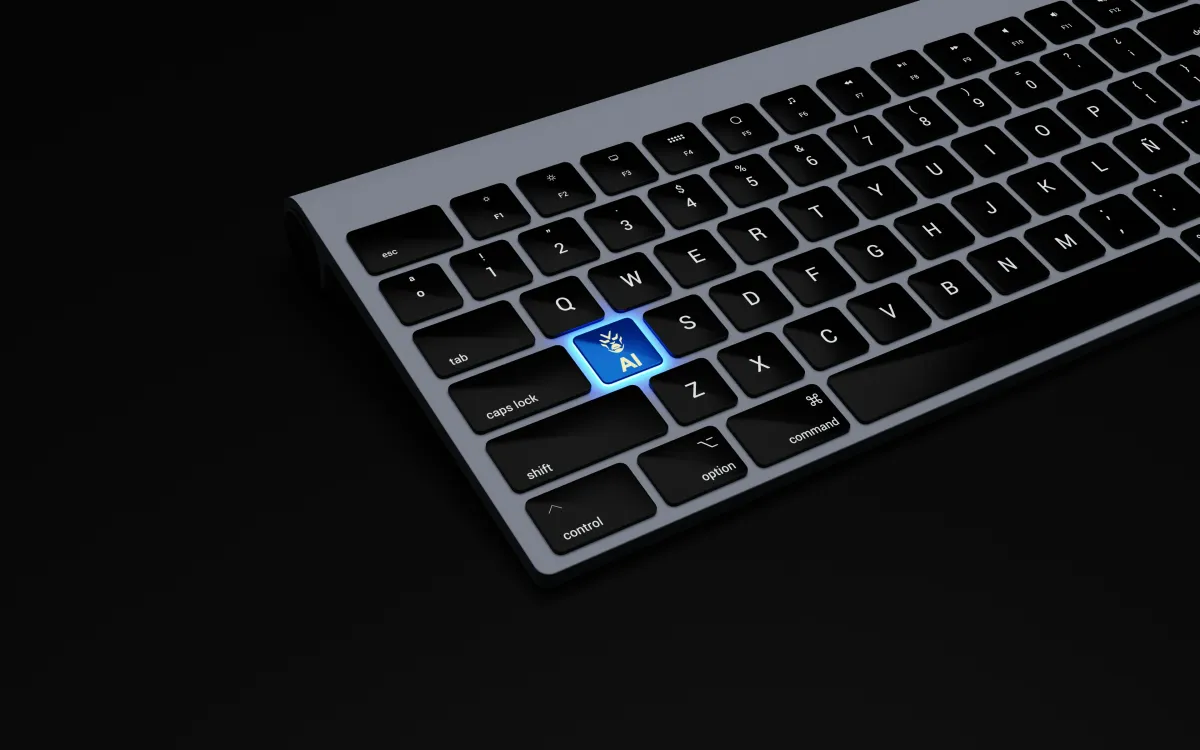
If 2025 marked a significant turning point for AI, the upcoming year, 2026, promises to revolutionize how we approach the technology. As we transition from grandiose models to practical applications, the focus is shifting to usable AI that seamlessly integrates with our daily lives. This new era brings an emphasis on efficiency, enabling devices to work intelligently in harmony with human workflows.
A Shift Toward Practicality
This year is expected to be a watershed moment in the evolution of AI. Experts believe that moving away from merely scaling up models to deploying smaller systems will yield significant advancements. The consensus is that it will be less about quantifiable size and more about tangible usability.
The excitement is palpable; while we’re not quite ending the party, the industry is definitely beginning to adopt a more sober outlook.
Scaling Laws: A New Perspective
In the early 2010s, Alex Krizhevsky and his collaborators opened the floodgates for AI research with the groundbreaking ImageNet paper. They demonstrated how systems could learn to recognize objects through vast datasets, a feat made possible thanks to advancements in GPU technology. This sparked a decade defined by intense AI exploration, culminating in landmark innovations like OpenAI’s GPT-3.
However, many researchers now believe we’ve hit the limits of these scaling laws. AI experts like Yann LeCun argue for a return to more innovative neural network architectures. The prevailing sentiment is that in the coming years, focusing on new methodologies will be critical for continued progress.
Less Can Be More: The Rise of Smaller Models
While large language models (LLMs) have done well in generalizing knowledge, there’s a growing consensus among industry leaders that the future lies in smaller, specialized models. These models can be fine-tuned to meet specific needs, offering distinctive advantages without the overhead of larger systems.
Andy Markus, AT&T’s chief data officer, asserts that these fine-tuned smaller language models (SLMs) will dominate enterprise adoption in 2026. Their efficiency and cost-effectiveness position them as reliable tools for businesses aiming to improve performance without sacrificing speed.
Learning from Experience
Humans learn through interaction and experience, yet many large language models fall short in this capacity. Researchers envision a leap forward centered on world models, which mimic real-world dynamics and interactions. The burgeoning interest in this approach is evidenced by initiatives from major players like Google DeepMind and emerging startups.
With predictions indicating that world models will soon be prominent in gaming, they might also become the bedrock for future AI advancements in various sectors.
The Agentic Landscape
While last year saw hype surrounding AI agents, their efficacy was hampered by a lack of integration into real-world systems. However, recent innovations like Anthropic’s Model Context Protocol (MCP) have emerged to bridge this gap, allowing AI agents to connect seamlessly with databases and APIs.
Rajeev Dham from Sapphire Ventures believes this shift will lead to agent-first solutions that redefine operational roles across industries, streamlining processes in sectors ranging from healthcare to technology.
Emphasizing Augmentation Over Automation
As AI tools increasingly embrace agentic workflows, concerns about job displacement often surface. Yet, many experts—including Katanforoosh—contend that 2026 will instead be characterized by human-centric advancements. Rather than diminishing human roles, the technology is poised to augment them, creating new opportunities in governance and data management.
There’s a palpable sense of optimism in the industry, with expectations of reduced unemployment and a robust demand for human expertise in AI governance.
Getting Physical
With the technological landscape evolving rapidly, the idea of physical AI is on the brink of mainstream acceptance. Innovations in small models and edge computing pave the way for AI-powered devices that enhance our physical world.
As Vikram Taneja from AT&T Ventures alludes, 2026 will solidify the role of AI-driven tools, ranging from robotics to wearables. With advances in body-worn technology—like smart glasses and health rings—AI is becoming an integral part of everyday life.
Final Thoughts
The landscape of AI in 2026 is poised to offer unparalleled opportunities. As you navigate this evolving sphere, consider how these advancements can enrich both your professional and personal lives. Let this be a year of exploration and integration, where AI doesn’t just work for you, but with you. Embrace the future with an open heart and an adventurous spirit.
Ready to interact with this dynamic world of AI? Explore, engage, and elevate your experience today!